Wilbur the Whale's Time-Traveling Tales: A Journey Through Maine's History

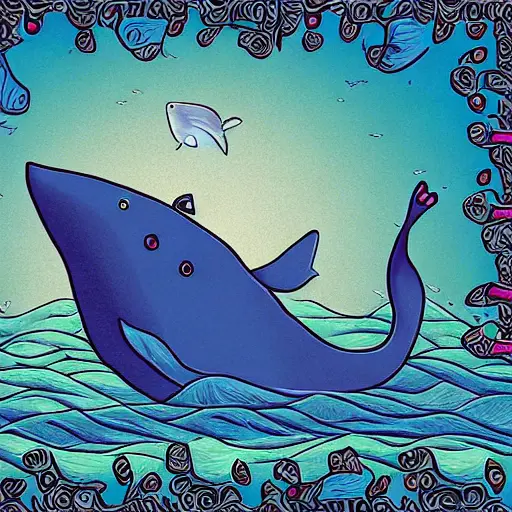
Once upon a time, a wise old whale named Wilbur swam through the deep blue sea. Wilbur had a magical secret: he could travel through time!
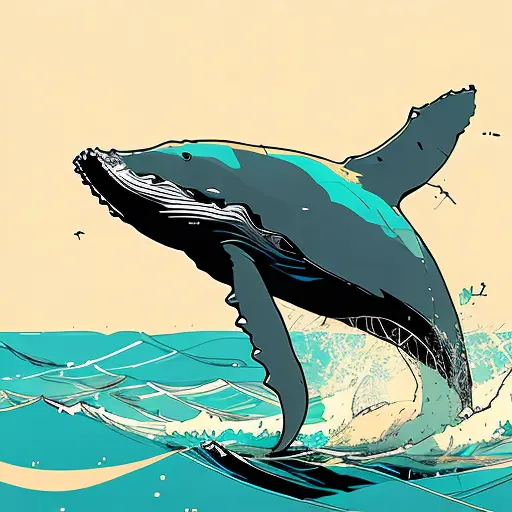
One sunny day, Wilbur decided to share the history of a special place called Maine. He swam to the shore where a group of children were playing and called out, "Ahoy, little ones!"
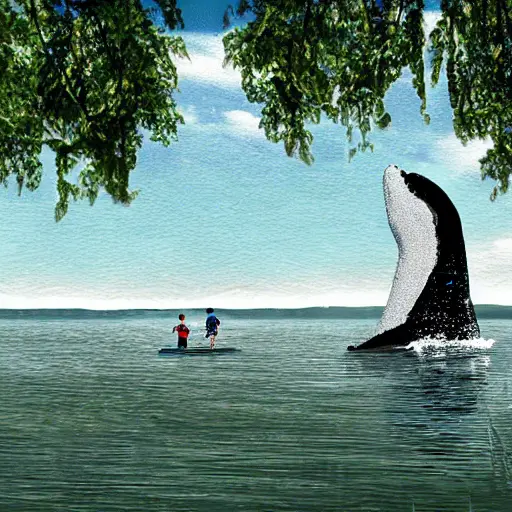
The children ran to the water's edge, amazed by the giant talking whale. Wilbur smiled and said, "Hop on my back, and I'll take you on a journey through time to learn about the history of Maine."
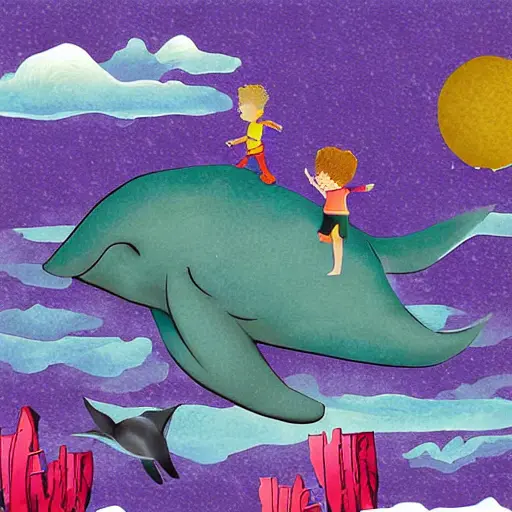
The children eagerly climbed onto Wilbur's back, and with a swoosh of his tail, they were off! Their first stop was thousands of years ago, when Native Americans, called the Wabanaki, lived in Maine.
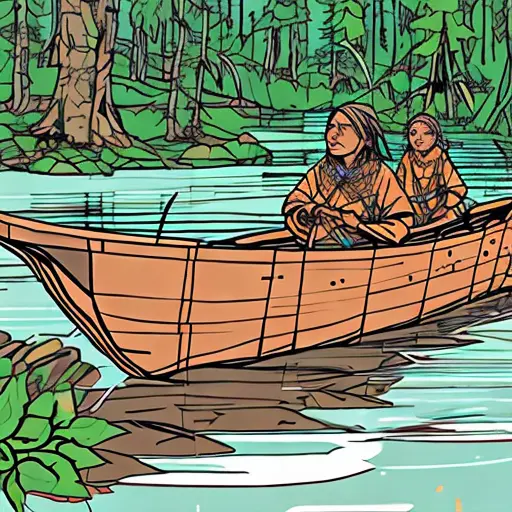
The Wabanaki lived in harmony with nature, hunting, fishing, and gathering food from the forests and rivers. Wilbur and the children watched the Wabanaki build birch bark canoes and weave beautiful baskets.
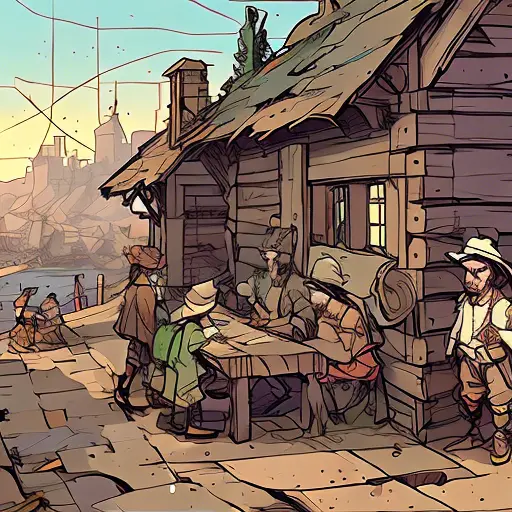
Next, Wilbur took the children to the year 1607, when a group of English settlers arrived in Maine. These settlers built a small fort and named it Fort St. George, hoping to start a new life.
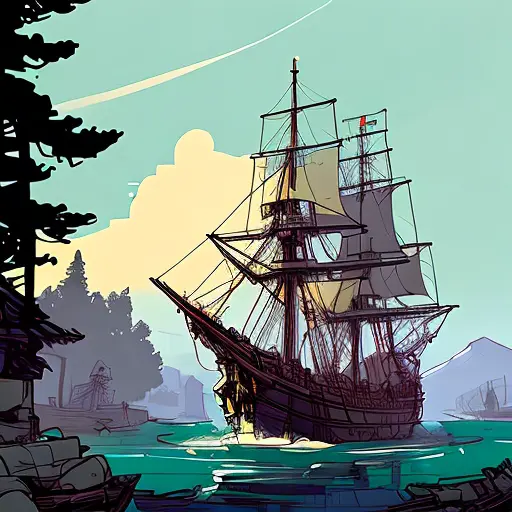
Sadly, the settlers faced harsh winters and disease, forcing them to return home to England. In 1620, a famous ship called the Mayflower sailed past Maine on its way to Plymouth Rock.
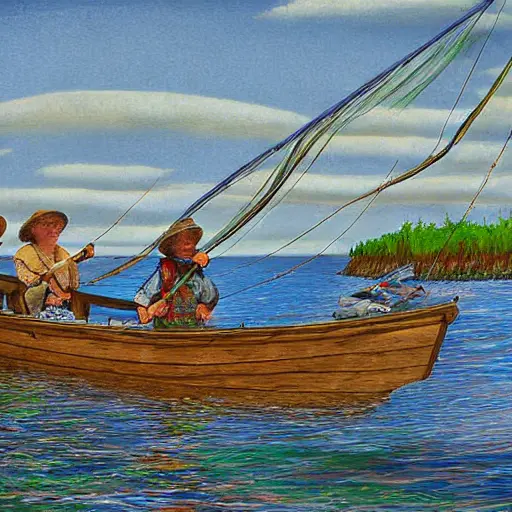
As they traveled through time, the children saw fishermen casting their nets and catching lots of fish. Many more settlers soon arrived, drawn to Maine's rich natural resources and beauty.
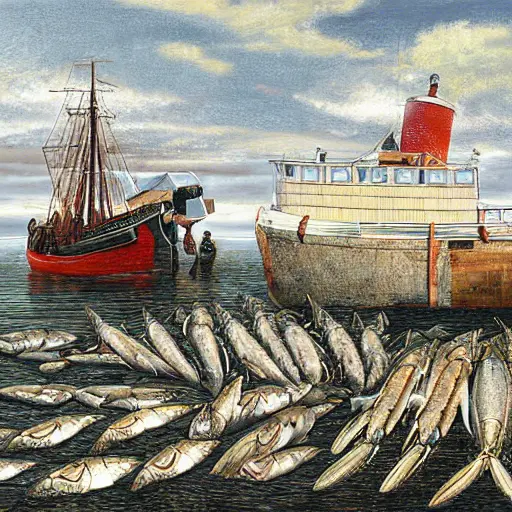
Maine's waters were filled with cod, herring, and the famous Maine lobster, which became an important part of the local economy. Wilbur then took them to the year 1675 when a conflict called King Philip's War began.
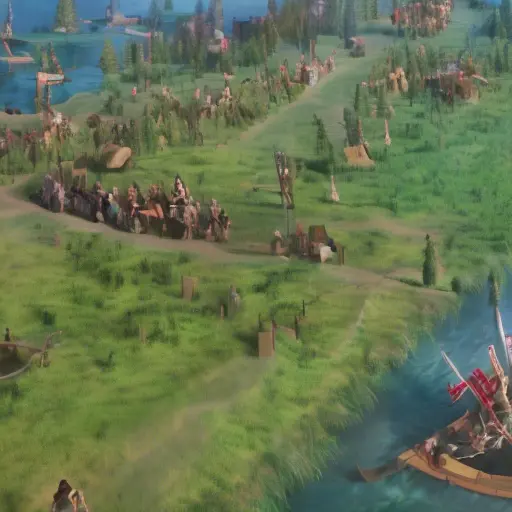
This war was between the Native Americans and the European settlers, who fought over land and resources.
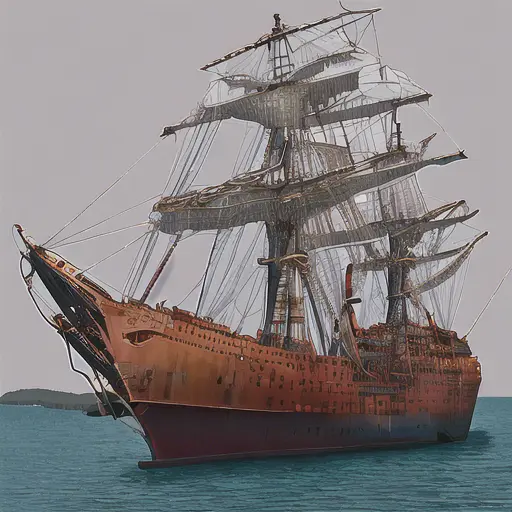
As they continued their journey, Wilbur showed them the bustling shipbuilding industry that flourished in Maine.
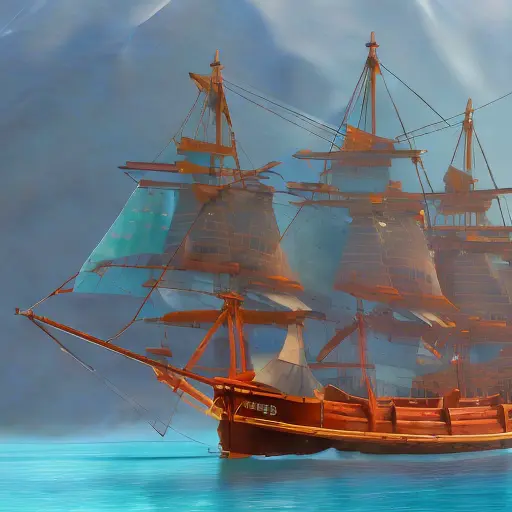
The children marveled at the huge wooden ships being built along the rivers and coastline. These ships carried timber, fish, and other goods from Maine to places all around the world.
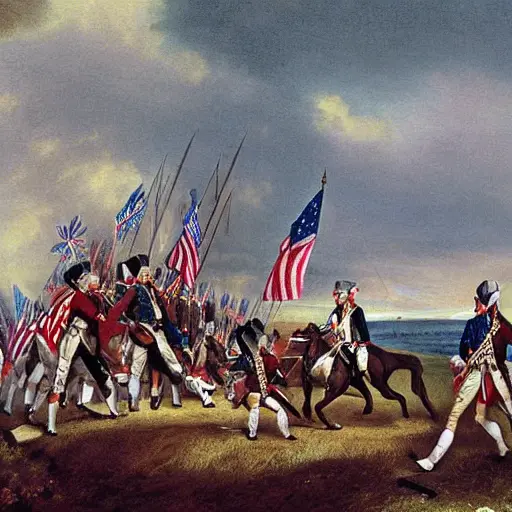
In 1775, the American Revolutionary War began, and Maine played a crucial role in the fight for freedom. The children saw brave men and women from Maine joining the fight against the British.
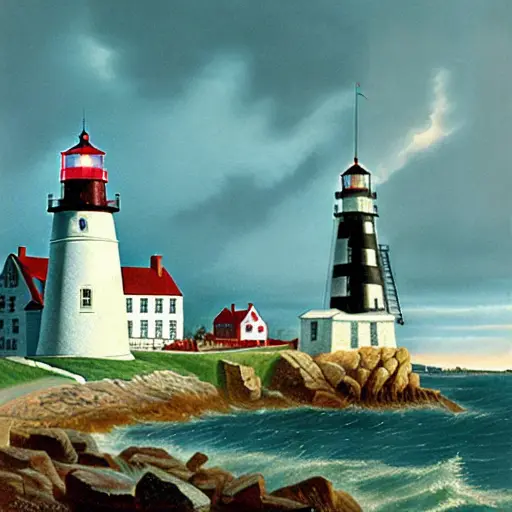
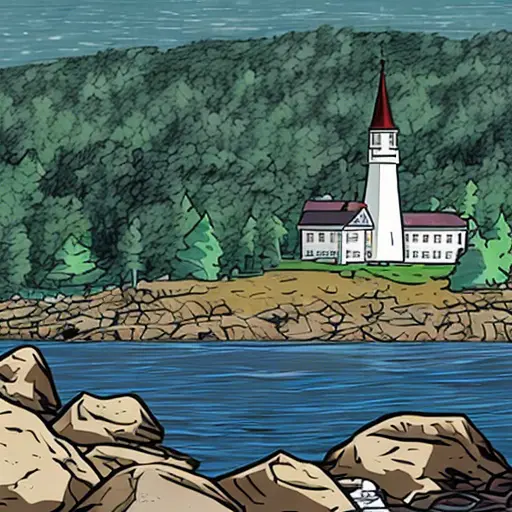
In 1820, Maine officially became a state, separated from Massachusetts, and the children cheered. Wilbur then took the children to see the construction of a special lighthouse, called the Portland Head Light.
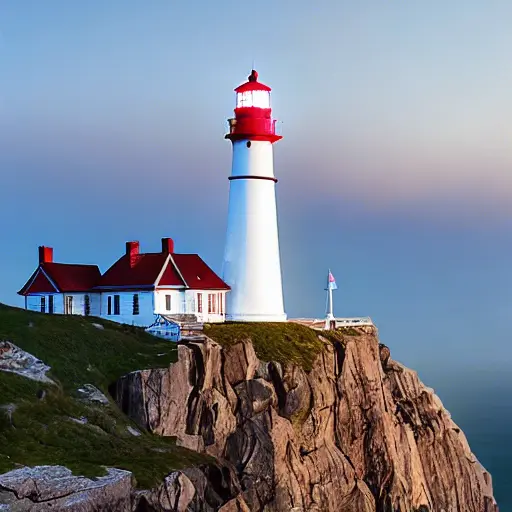
It was built in 1791 to help guide ships safely through the fog and storms along the rocky coast. With its bright beam, the lighthouse became a symbol of hope and guidance for sailors and travelers.
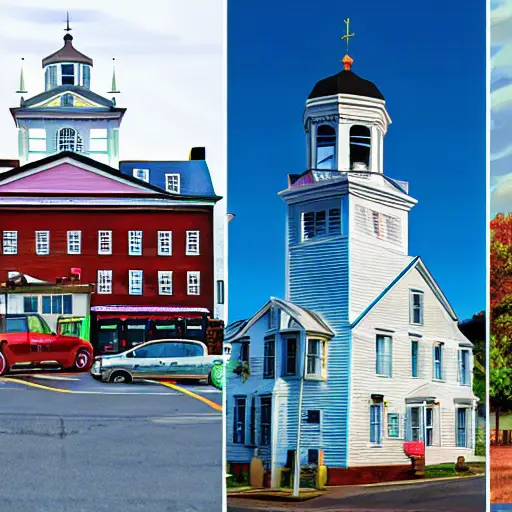
As they traveled on, the children saw the growth of Maine's cities and towns, like Portland, Bangor, and Augusta.
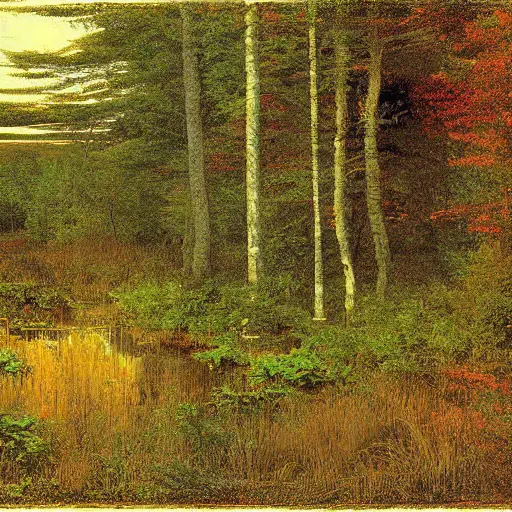
They watched as people built homes, schools, and businesses, creating a strong sense of community. In the 1800s, a famous author named Henry David Thoreau wrote about Maine's beautiful wilderness.
His stories inspired people to visit Maine, and the tourism industry began to grow.

Wilbur showed the children the majestic Mount Katahdin, the tallest mountain in Maine. They watched as hikers and adventurers climbed the mountain, marveling at the stunning views.
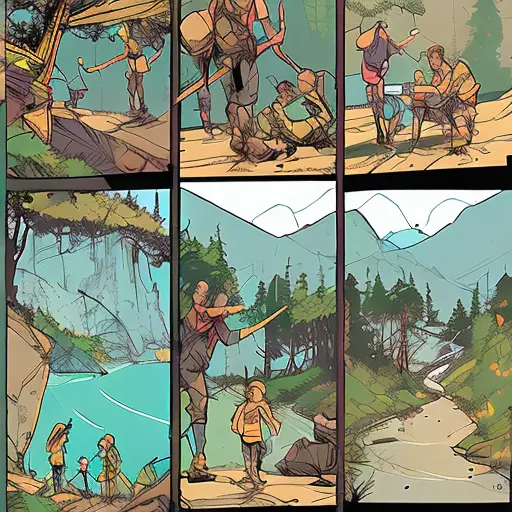
Next, Wilbur took the children to see the beautiful Acadia National Park, established in 1916. They saw families camping, hiking, and exploring the park's rugged coastline and lush forests.

The children learned that conservation efforts help protect Maine's natural beauty for future generations. In the early 1900s, Maine became a leader in manufacturing, especially in the production of paper.
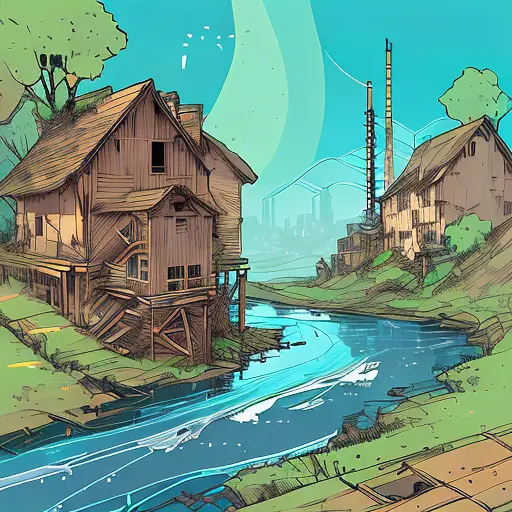
The children saw mills along the rivers, producing paper that was used all over the world. While the mills provided jobs, they also caused pollution, teaching the children about the importance of environmental responsibility.
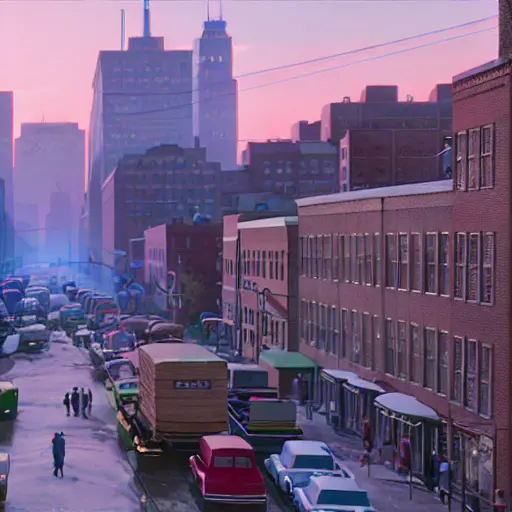
As they moved through the 20th century, the children saw Maine's industries change and adapt. They witnessed the growth of technology, education, and healthcare, shaping the lives of Maine's people.
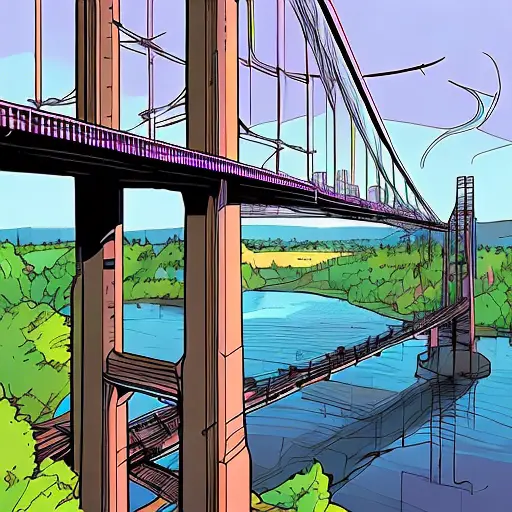
Wilbur showed the children the Penobscot Narrows Bridge, a modern marvel of engineering.
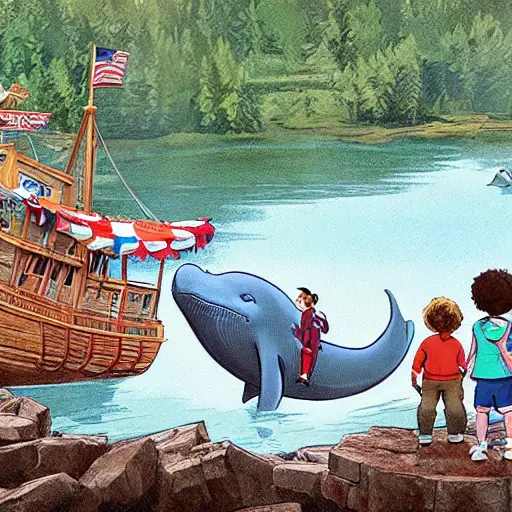
Finally, the children reached the present day, and they looked back on their incredible journey through Maine's history. They thanked Wilbur the time-traveling whale for showing them the rich heritage and lessons of their home state.
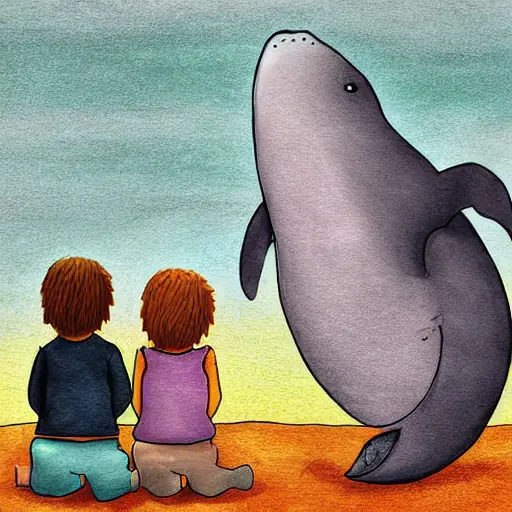
Wilbur smiled and said, "Remember, little ones, the past teaches us about the present and helps guide our future." With that, Wilbur swam away, leaving the children with memories and stories to treasure and share.