Wilbur the Whale's Time-Traveling Tales
A Journey Through Portland's History
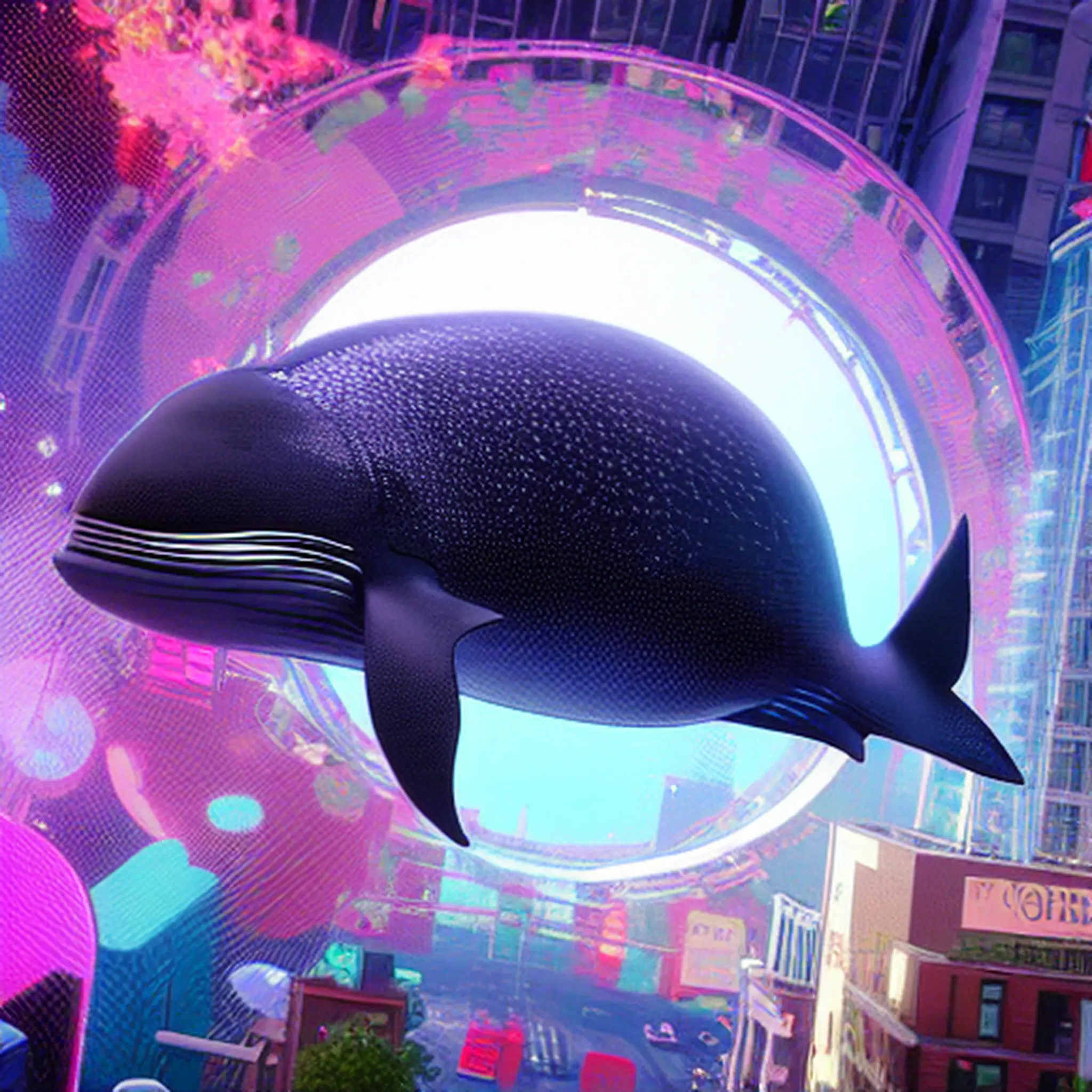
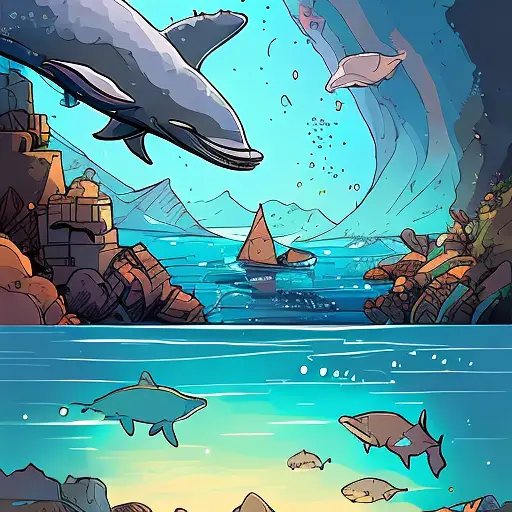
Once upon a time, in the deep blue ocean, there lived a very special whale named Wilbur. Wilbur was not like any other whale, for he had a magical gift – he could travel through time! And he loved using his gift to explore the history of the many beautiful places on Earth.
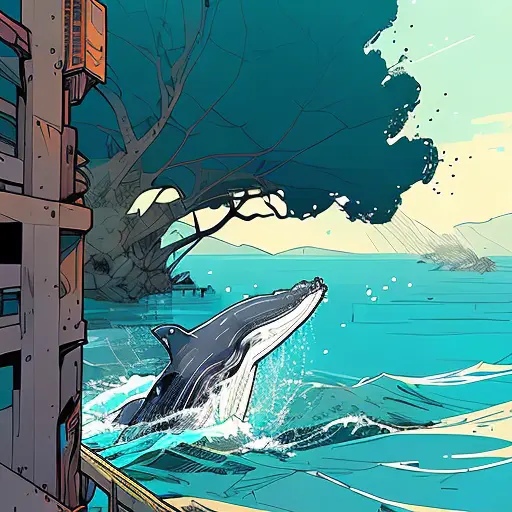
One day, as he swam through the ocean, he thought to himself, "I wonder what the history of Portland is like? I've heard so much about it, but I've never actually been there." And so, with a flick of his tail and a sparkle in his eye, Wilbur began his journey back in time.
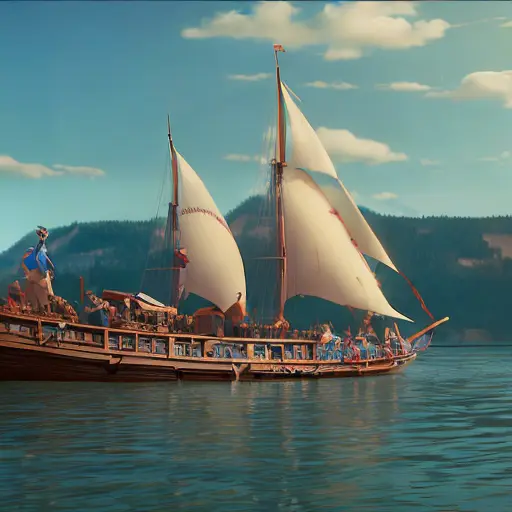
As Wilbur arrived in the year 1805, he noticed a group of people on a large wooden ship, floating down the Columbia River. They were explorers and adventurers, known as the Lewis and Clark Expedition. They had been sent by President Thomas Jefferson to explore the vast, uncharted land of the Oregon Territory.
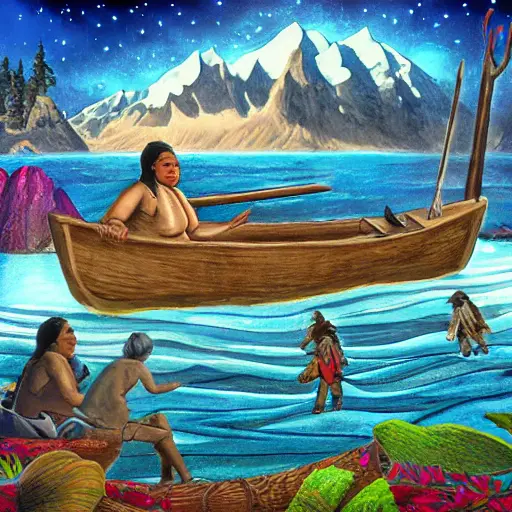
Wilbur swam alongside the ship, curious to learn more about these explorers. He met Sacagawea, a young Native American woman who was helping (forced) to guide the expedition. She told him about the many Native American tribes that had lived in the area for thousands of years, such as the Chinook, Clackamas, and Multnomah tribes.
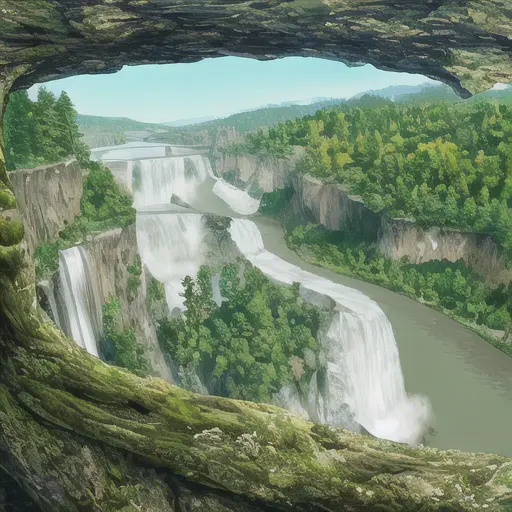
As the expedition came to an end, they reached a beautiful spot where the Columbia and Willamette rivers met. This was the perfect place for people to settle and build a city, thought Wilbur. And he was right! As he traveled further into the future, he saw more and more people coming to the area, eager to start a new life in the beautiful Pacific Northwest.
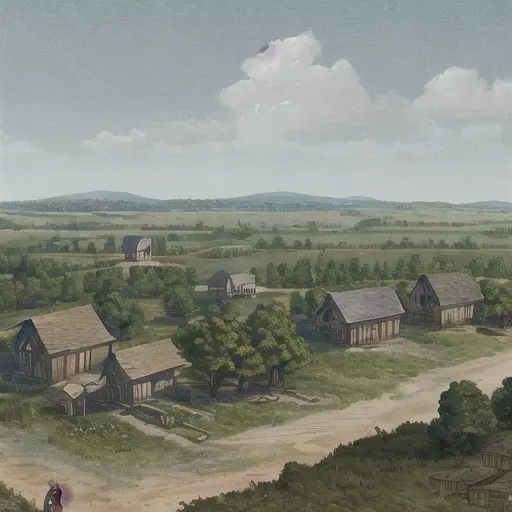
In 1843, a group of pioneers, led by a man named James B. Stephens, arrived in the area. They staked their land claims and began building homes and farms. The little settlement was first called "The Clearing," but soon it needed a proper name.
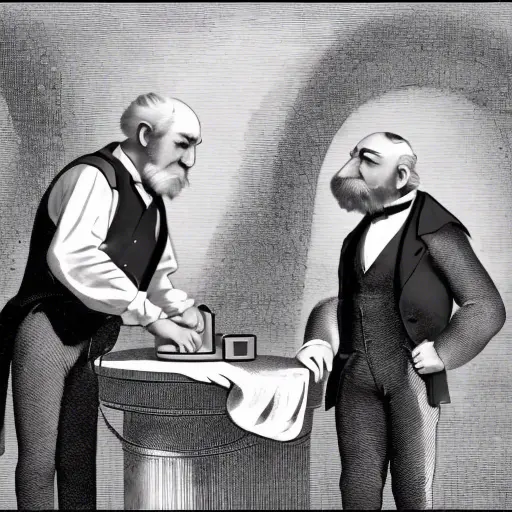
As the story goes, two of the founders, Francis Pettygrove and Asa Lovejoy, couldn't agree on a name for their new city. They decided to flip a coin to decide the name – Pettygrove wanted to name it after his hometown of Portland, Maine, while Lovejoy wanted to name it after his hometown of Boston, Massachusetts. Wilbur watched as the two men flipped the coin, holding his breath in anticipation. The coin landed, and Portland it was!
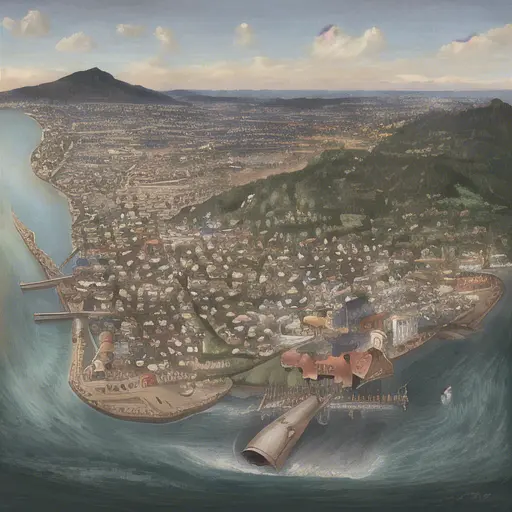
As the years went by, Portland grew and grew. In 1851, it was officially incorporated as a city. Wilbur watched with fascination as wooden buildings were replaced by brick and stone, and as dirt roads became paved streets.
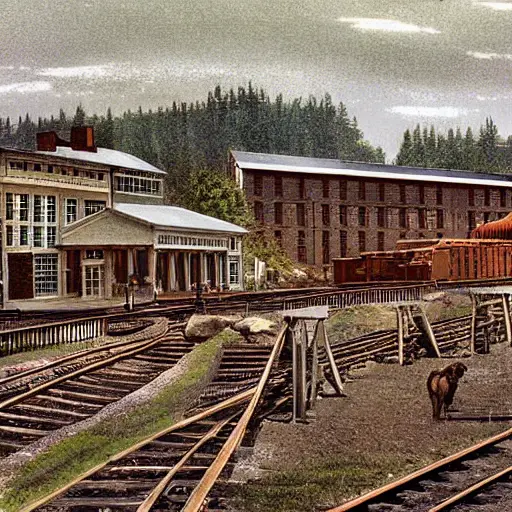
By the 1870s, the railroad had come to Portland, connecting it to the rest of the country. The city became an important trading and shipping center, and the population continued to grow.
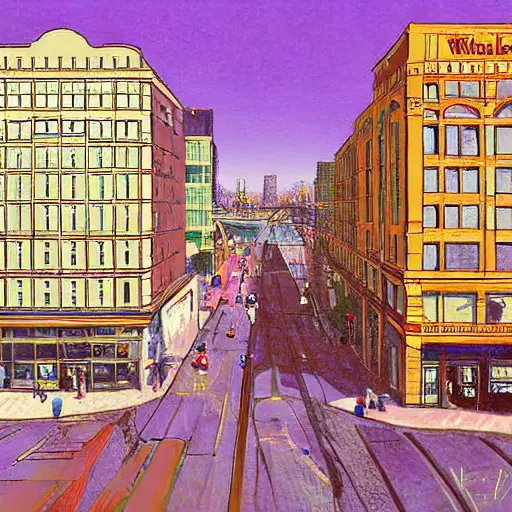
Wilbur decided to jump forward a bit in time, to see what Portland would become in the 20th century. As he arrived in the 1900s, he saw that the city had become a bustling metropolis. There were streetcars, bridges, and tall buildings everywhere.
In the 1905, Portland hosted the Lewis and Clark Centennial Exposition, a world's fair celebrating the 100th anniversary of the famous expedition. People from all over the world came to visit and marvel at the wonders of the Pacific Northwest. Wilbur swam up and down the Willamette River, greeting the visitors and telling them stories of the city's history.
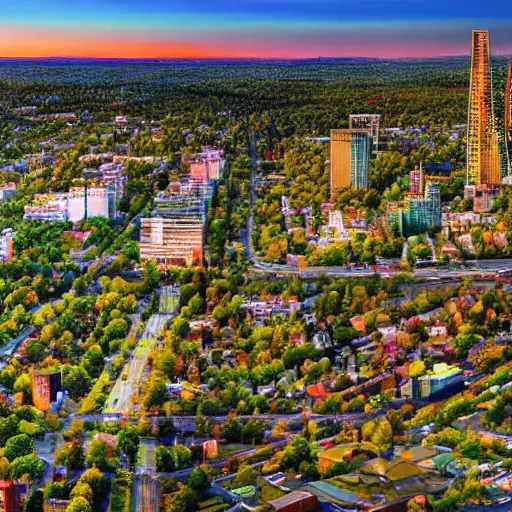
As the years went by, Portland continued to change and evolve. In the 1960s and 1970s, the city became known for its commitment to the environment and its focus on sustainability. Parks and green spaces were created, and the city worked to protect the natural beauty of the area.

During this time, a new nickname for the city emerged: "The City of Roses." This was because of the city's annual Rose Festival, which began in 1907 and featured a parade of beautiful rose-covered floats. Portland's International Rose Test Garden was also created in 1917, where roses from all over the world could be seen and enjoyed.
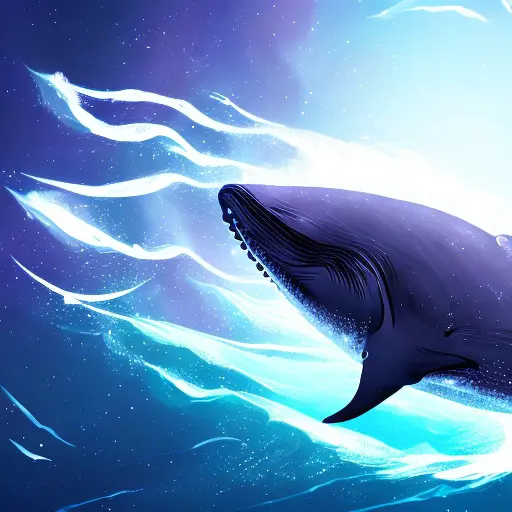
Wilbur decided to hop forward a few more decades, curious to see how Portland would continue to change and grow. As he arrived in the 21st century, he saw that the city had become a hub for technology, art, and culture. There were many tall buildings, busy streets, and people from all walks of life.
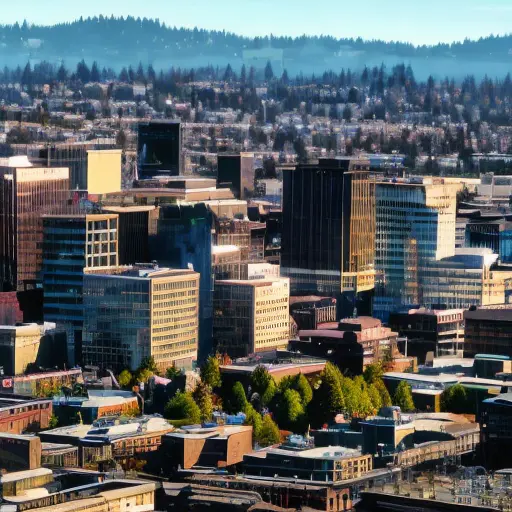
But even with all these changes, Portland still held on to its history and its connection to nature. Old buildings were preserved, and the city continued its commitment to sustainability and the environment.
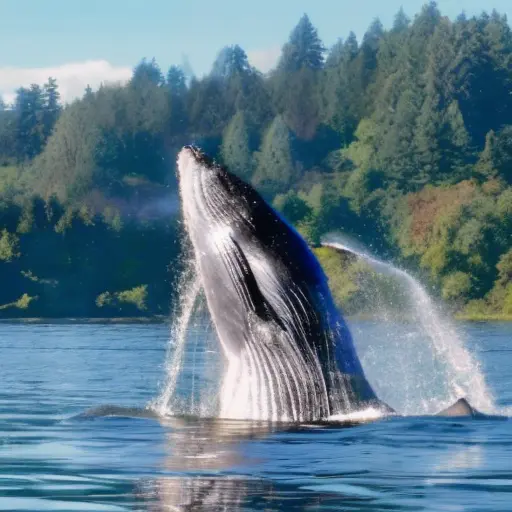
As Wilbur swam along the Willamette River, he looked around at the beautiful city of Portland and smiled. It was a place where the past and the future came together, creating a unique and vibrant city for all to enjoy.
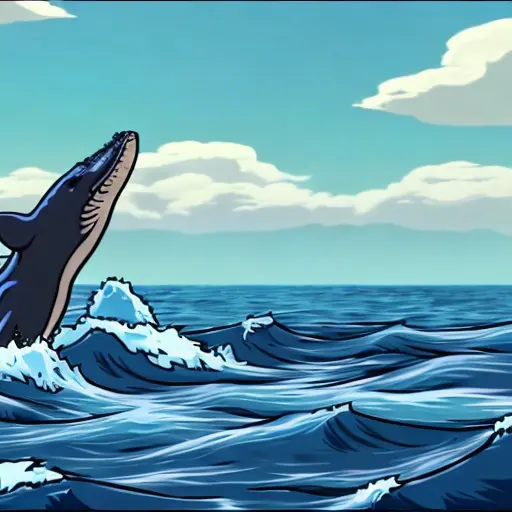
Feeling satisfied with his journey through time, Wilbur decided it was time to return to his own time in the ocean. With a flick of his tail and a sparkle in his eye, he said goodbye to Portland and began his journey home.
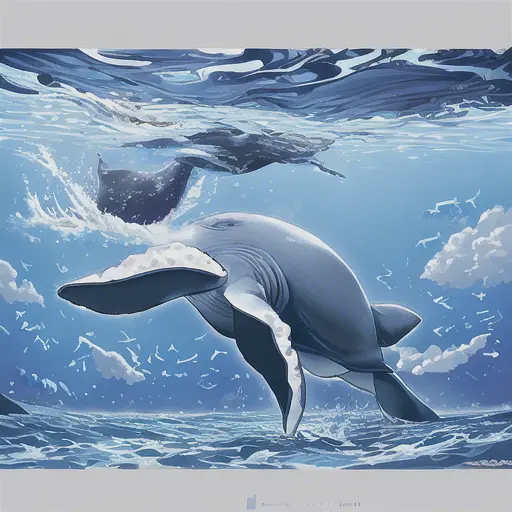
But he knew he would always carry the memories of Portland's history with him, and he looked forward to sharing the stories of his adventure with his friends and family in the deep blue sea.
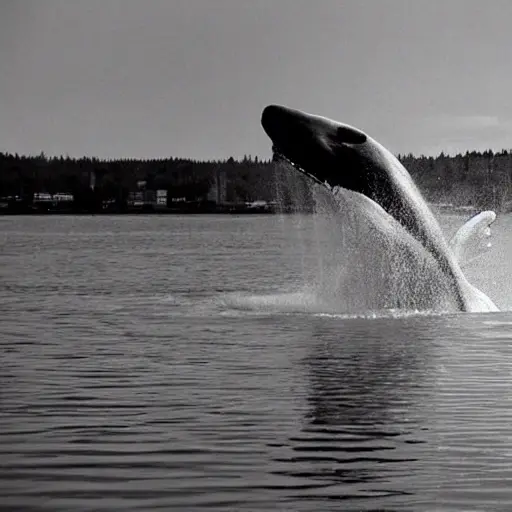
And so, as Wilbur swam away, the people of Portland continued to build their city, always remembering the lessons of the past and looking forward to a bright and sustainable future. And every now and then, when they looked out at the river, they would remember their time-traveling whale friend, Wilbur, and the incredible journey he took them on through the history of their beloved city.