Professor Pip's Science Discovery Collection
Discover audiobooks and videos in this collection.
Join Professor Pip's Science Club!
Get fun, educational science lessons and safe at-home experiments delivered directly to your inbox every Sunday, Tuesday, and Thursday.
Professor Pip's Heart Adventure: A Journey Through the Human Heart

Professor Pip standing knee-deep inside a giant, brightly colored, translucent model of a human heart, pointing at the flow lines of red and blue "blood" with a tiny pointer.
Professor Pip and Astro's Cosmic Adventure: Discovering Distant Worlds
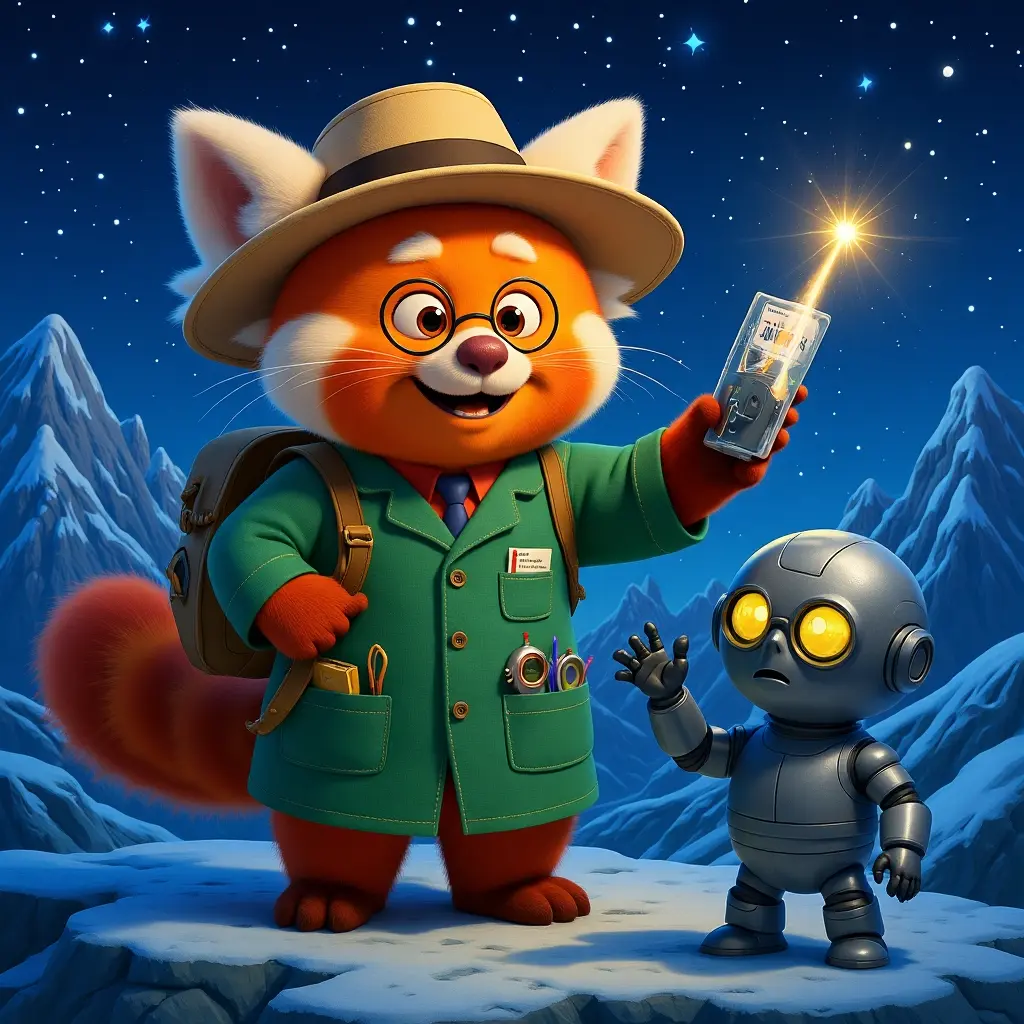
Professor Pip and his trusty space robot companion, Astro, are tasked with investigating a series of distant stars. They realize that simply seeing a star isn't enough; they need to find the planets orbiting them! Using advanced 'cosmic filters,' Professor Pip teaches the children how scientists use the transit method—watching for a slight dip in starlight when a planet passes in front of its star—to map out and characterize newly discovered, potentially life-supporting worlds.
Professor Pip's Bug Adventure: Discovering the Wonders of Insects
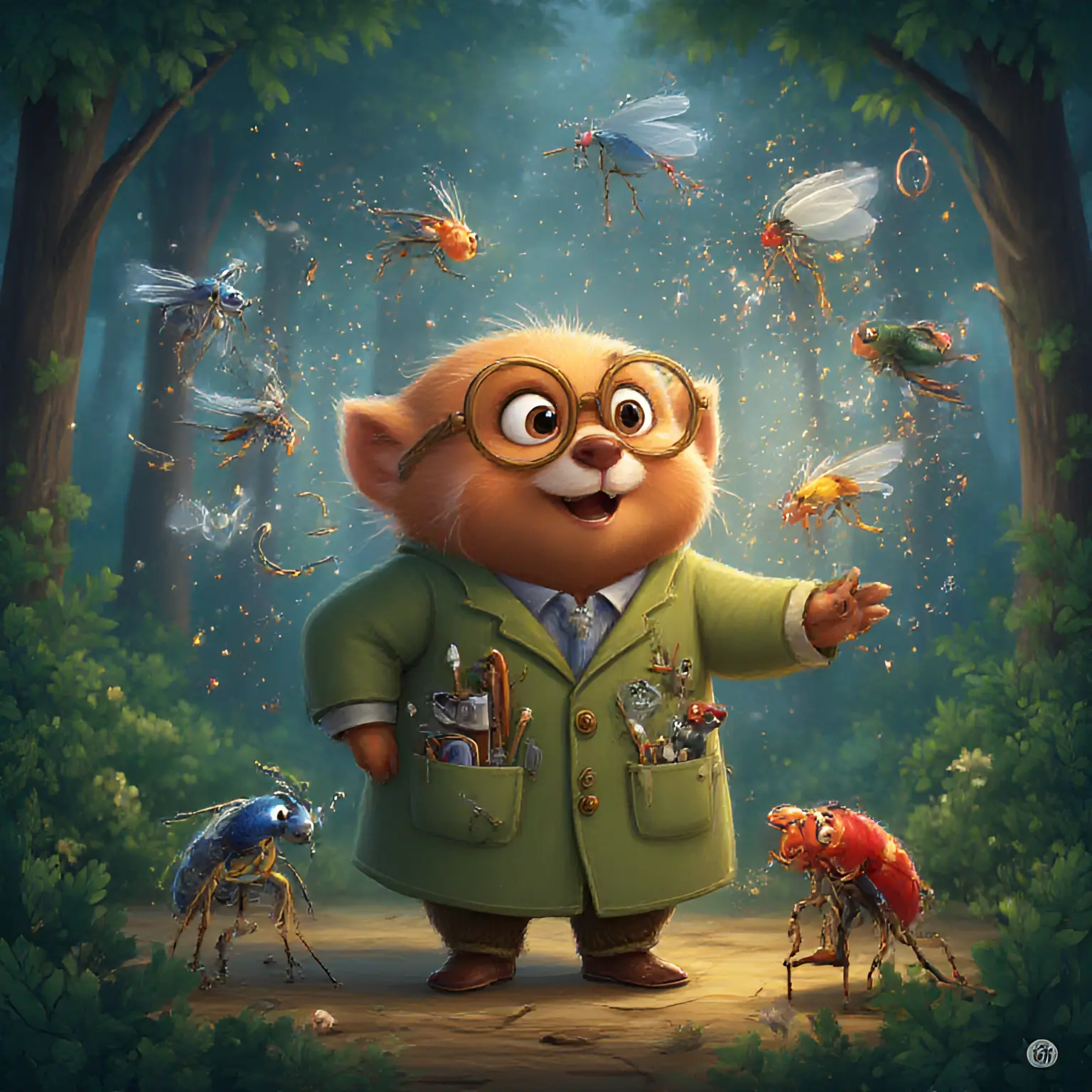
This children's book text is a whimsical journey filled with colorful illustrations and engaging characters, designed to stimulate kids' imaginations, teach valuable lessons, and foster a lifelong love of reading.
Professor Pip and Maya's Galactic Quest
The Search for Earth's Second Home

Professor Pip and his young assistant, Maya, are on a mission to find Earth's second home among the stars! They use Professor Pip’s specially built 'Astro-Scanner' (modeled after JWST) to observe a distant planet. The planet seems dull until they realize that the star's light passing through its atmosphere is leaving colorful fingerprints—these are the 'biosignatures.' Pip teaches Maya how to read these spectral clues, realizing one fingerprint suggests water vapor and another suggests something living might be breathing out oxygen!
Professor Pip's Tornado Twirl
What makes a tornado spin? Professor Pip shows how swirling winds and clouds can create a powerful vortex, explaining the science of these incredible weather phenomena.

This children's book features engaging text that captivates young readers with fascinating stories, fun characters, and educational content, designed to stimulate their imagination and promote a love for reading.
Professor Pip and the Magnetic Mystery
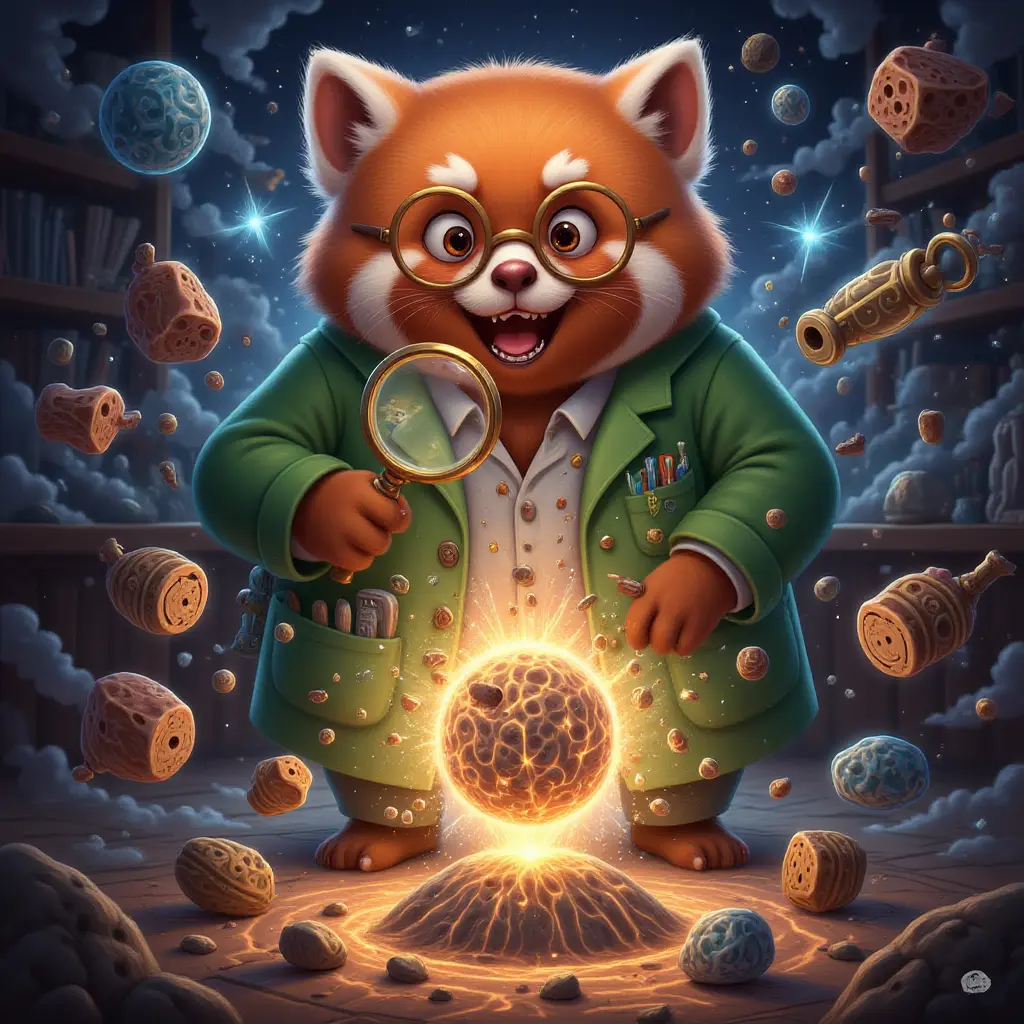
What makes magnets stick to some things and not others? Professor Pip explores the invisible forces of magnetism, showing how a simple stone can have a powerful, invisible pull.
Professor Pip's Green Thumb Adventure: The Magic of Photosynthesis

What makes a tiny seed grow into a big plant? Professor Pip digs into the science of photosynthesis, explaining how plants use sunlight, water, and air to grow and thrive.
Professor Pip and Zippy's DNA Adventure: The Mystery of the Wilting Plant
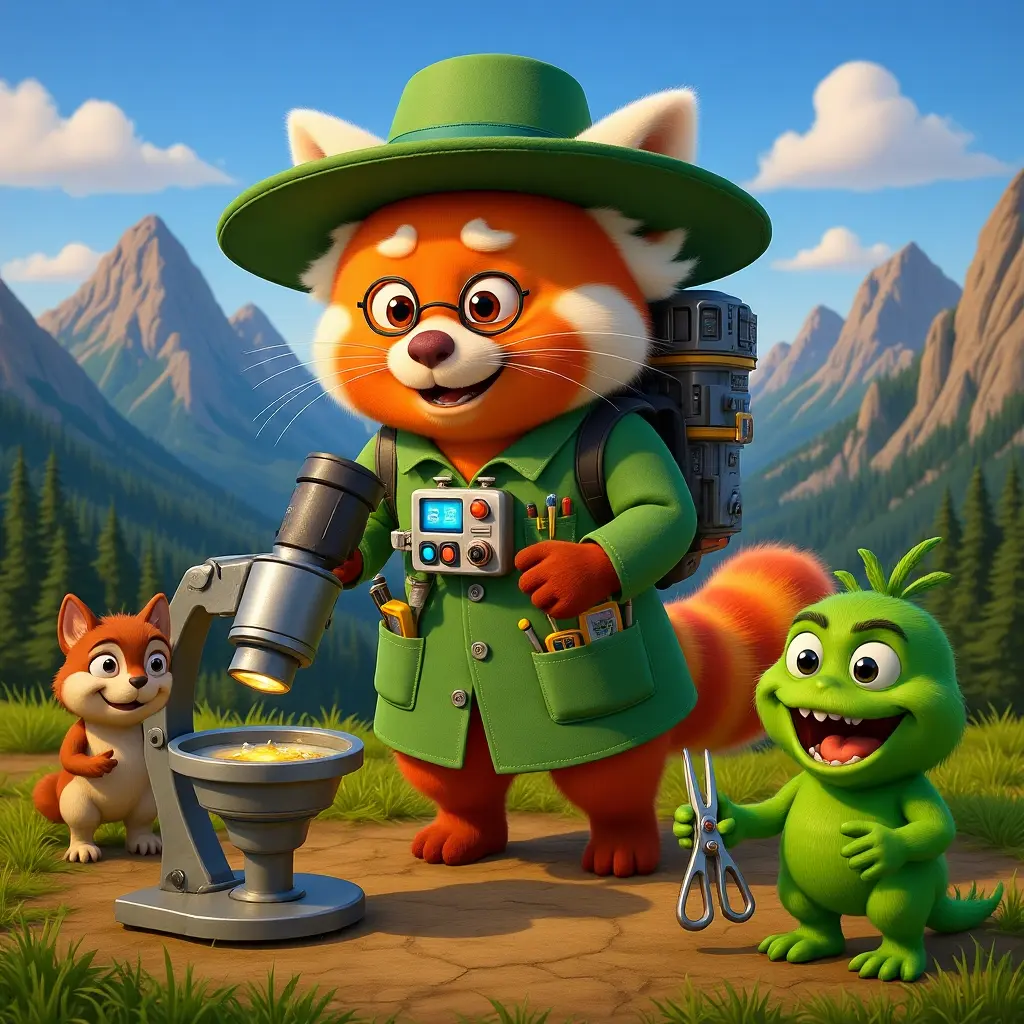
Professor Pip's laboratory falls into chaos when a magical, unseen 'Genetic Glitch' begins making common animals (like ladybugs or squirrels) unwell because their instruction manuals (DNA) have tiny mistakes! With the help of his student companion, Zippy the microscope monster, and using miniature, molecular scissors (representing CRISPR), Professor Pip must guide them to find the exact faulty gene sequence and 'snip it out' while simultaneously pasting in the correct healthy code. They save the day by fixing a sample plant that is struggling to bloom.
Professor Pip and Beavers in London
Saving a London Train Station From Flooding

Professor Pip knelt on the riverbank in the golden afternoon light, patting his bulging green lab-coat pockets. "Hmmm, where did I put it… ah!" He pulled out a small wooden tray, a handful of little twigs, and a paper cup full of water. ...
Professor Pip's Volcano Adventure: Discovering the Fiery Secrets of Our Earth

What makes volcanoes go "BOOM!"? Professor Pip explains the incredible science behind volcanic eruptions, teaching kids about magma, pressure, and the Earth's fiery inner workings.
Professor Pip and the Day-Night Mystery
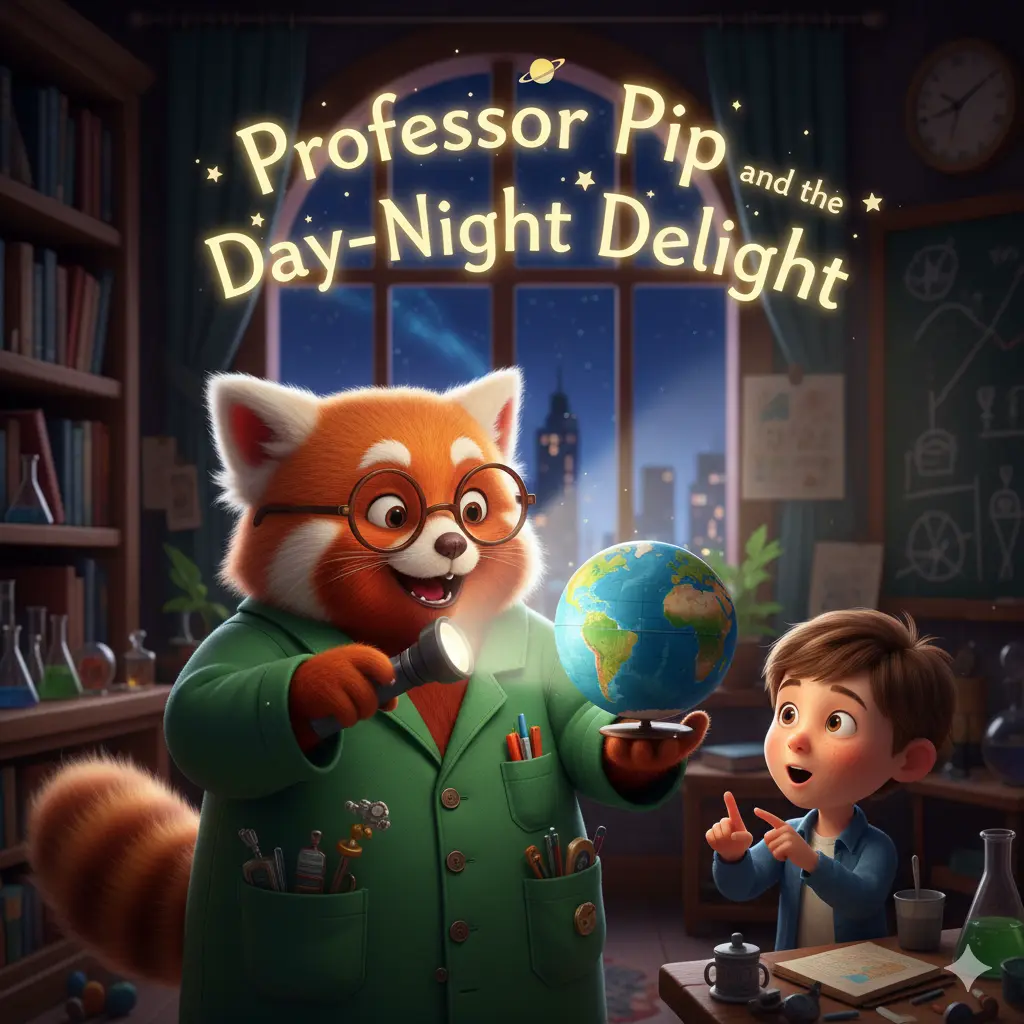
Why is it light outside during the day and dark at night? Professor Pip uses a flashlight and a globe to explain the Earth's rotation and how it creates our daily cycle of light and darkness.
Professor Pip and the Enchanted Fireflies: A Forest Adventure
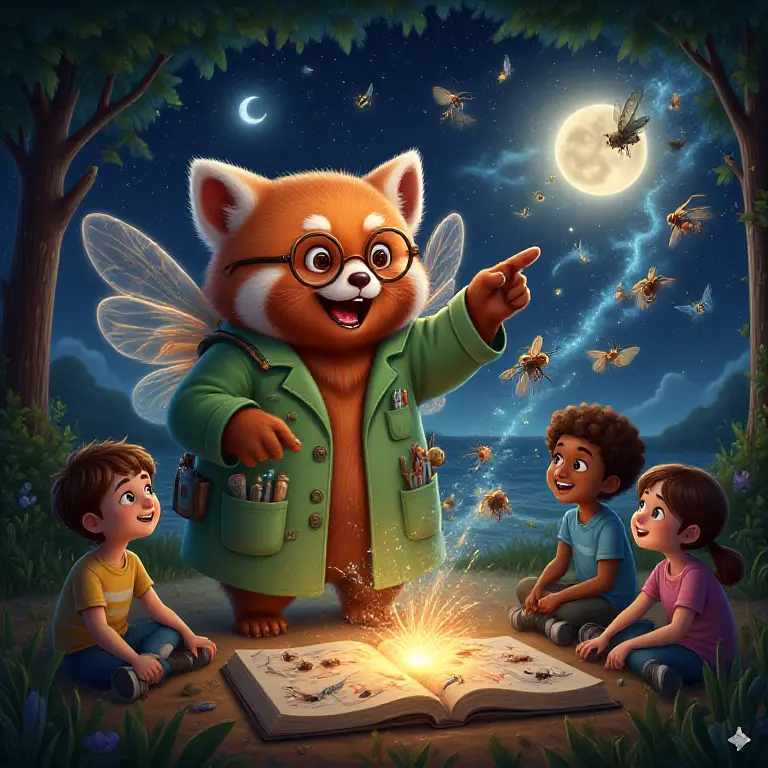
How do fireflies light up the night? Professor Pip shines a light on the science of bioluminescence, teaching kids about how these tiny creatures create their own beautiful glow.
Professor Pip Introduces Tylosaurus rex
A new sea king from the dinosaur age

Professor Pip adjusted his slightly crooked spectacles and patted the bulging pockets of his green lab coat. The waves whispered against the sandy shore as he reached in and pulled out a long, curved fossil tooth, almost as long as his a...
Professor Pip's Incredible Invention: A Tale of Teamwork and Ingenuity
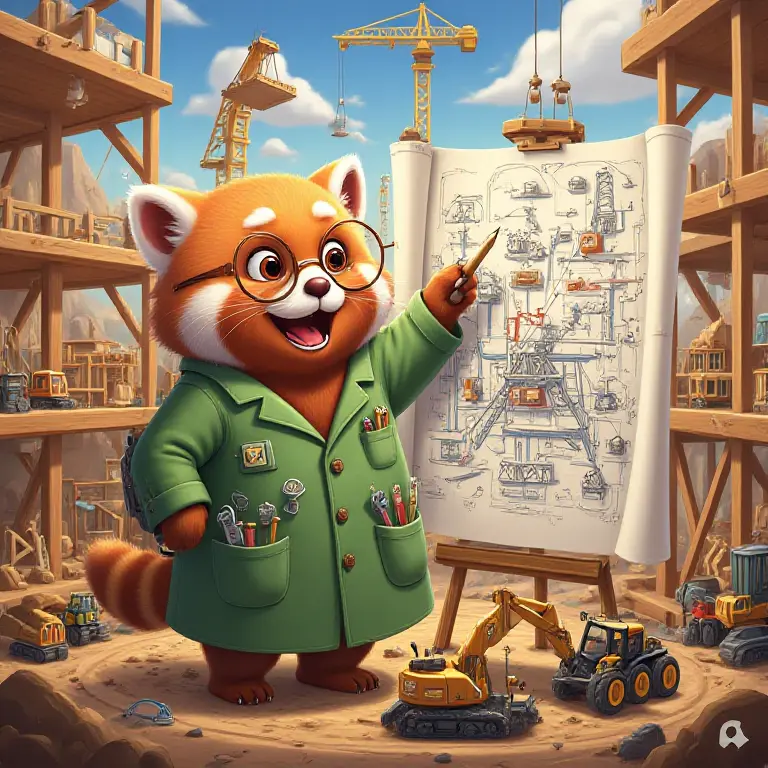
Professor Pip reviewing a large blueprint with a pencil, standing in front of a busy, small-scale construction site with wooden beams and miniature equipment.
Professor Pip Goes to Japan

Professor Pip adjusted his crooked spectacles and pulled a folded map from one of his bulging green lab-coat pockets. "Today's adventure," he announced, his fluffy ringed tail swishing excitedly, "takes us to one of the most fascinati...
Professor Pip and the Dinosaur Discovery

Professor Pip carefully brushing dust off a large, exposed dinosaur bone (like a femur or skull) at a sunny, sandy dig site, using a tiny brush and wearing a wide-brimmed safari hat over his lab coat.
Professor Pip's Cosmic Journey: A Magical Tour of the Solar System
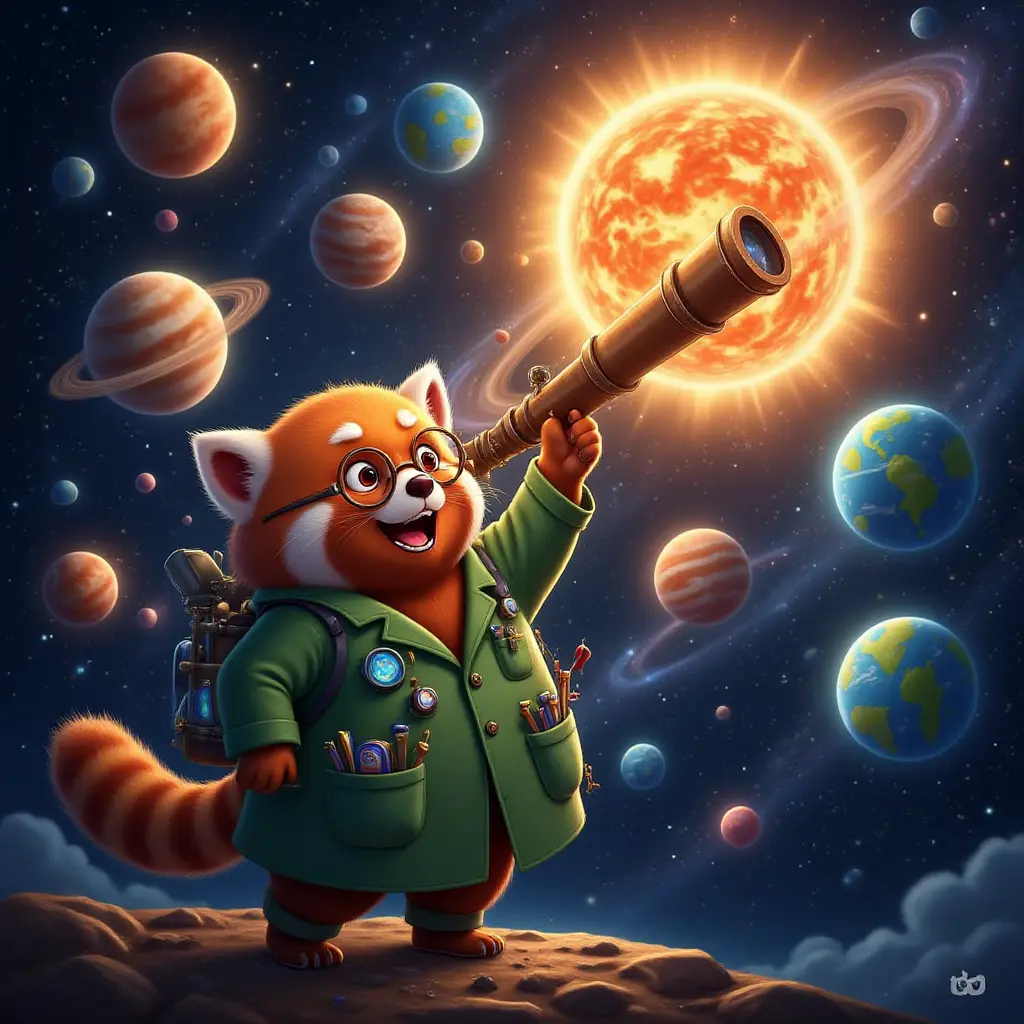
Professor Pip explains about the planets in our solar system, their unique features, and how they orbit the sun. With one page dedicated to detailing each planet, and others discussing the sun and the system as a whole, children will embark on an exciting journey through space, learning fun facts about each celestial body.
Professor Pip's Division Adventure: A Forest Friends Math Journey
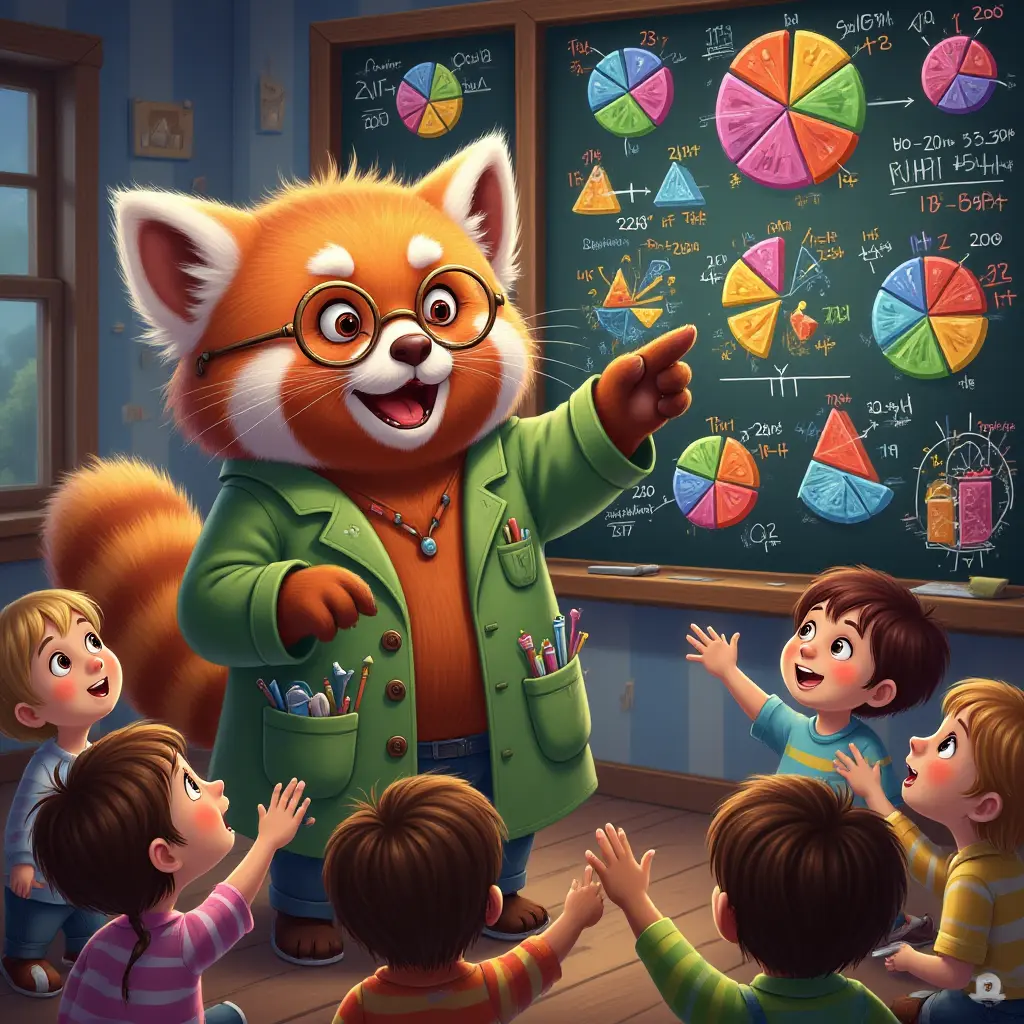
Professor Pip explains math explaining division and some tricks to help kids do division in their head, get faster at thinkiing about division, and how to work through problems on paper.
Professor Pip's Amazing Erosion Adventure
How Rivers Shape the Earth
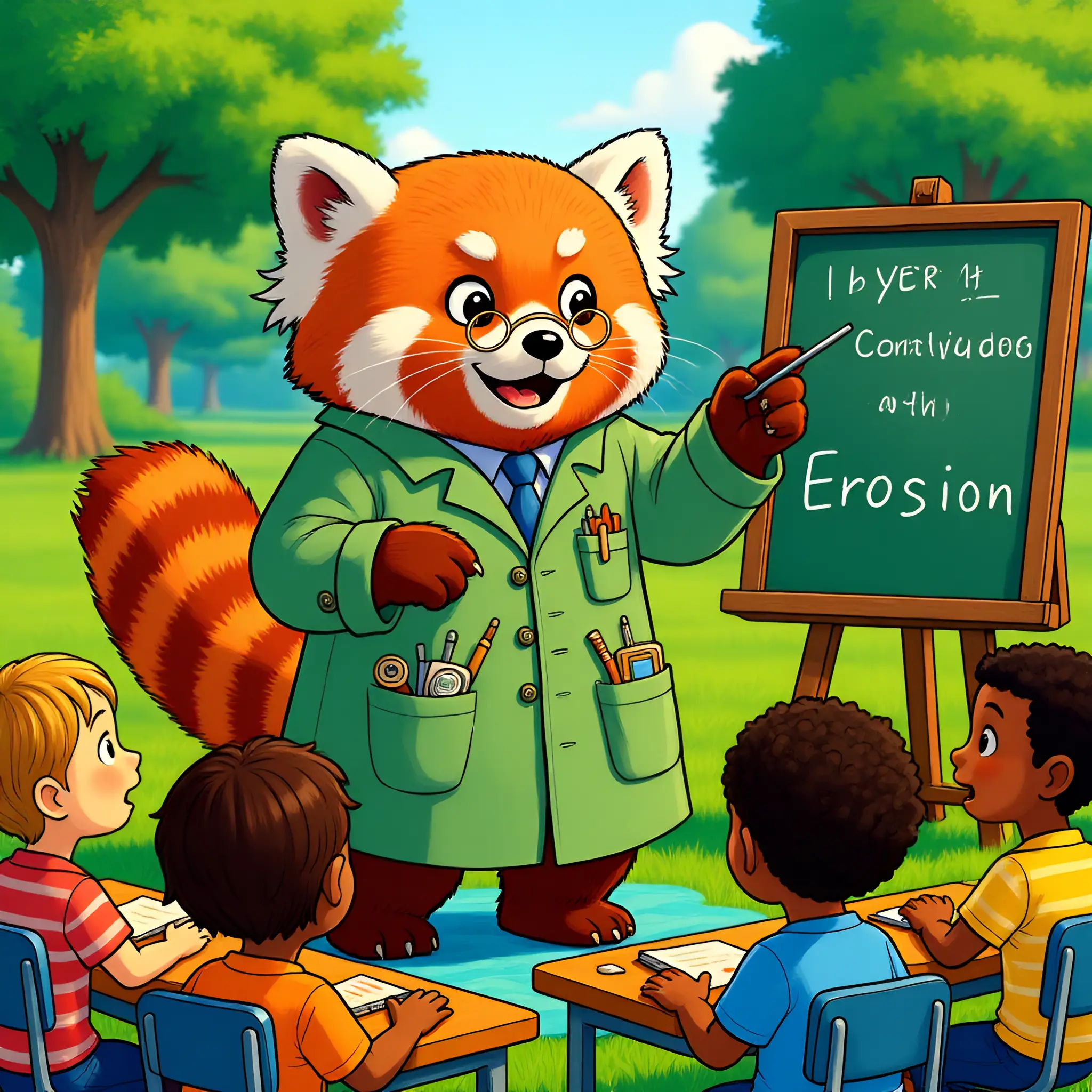
This children's book text features engaging stories and colorful illustrations designed to teach and entertain young readers, fostering their imagination, learning, and love for reading.
Professor Pip's Sound Wave Adventure
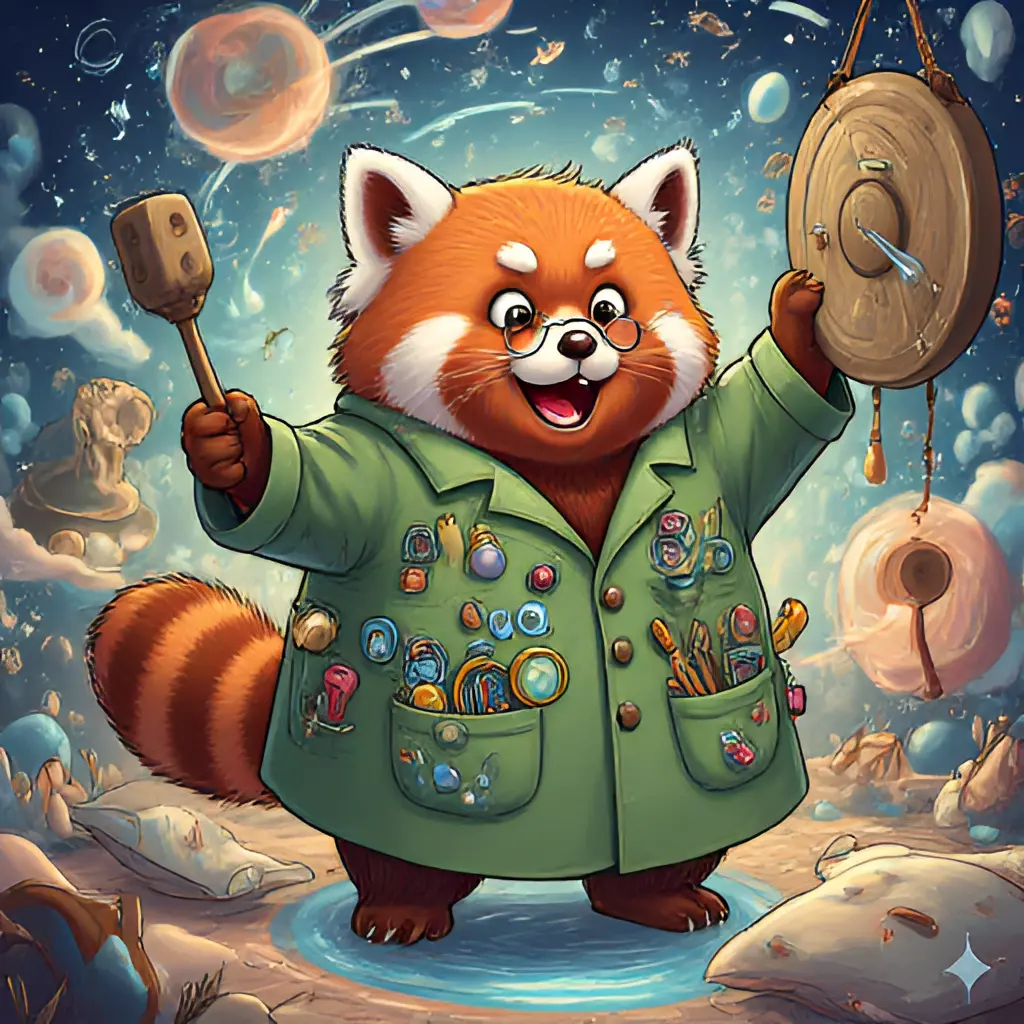
What makes a loud noise different from a quiet one? Professor Pip demonstrates the science of sound waves and vibrations, showing how everything from a gentle whisper to a big bang travels through the air.
Professor Pip's Electric Adventures: A Static Electricity Story

Professor Pip explains Professor static electricity. He is demonstrating static electricity with balloons and hair to a room full of curious children.
Professor Pip's Starry Adventure: A Red Panda's Journey Through the Cosmos
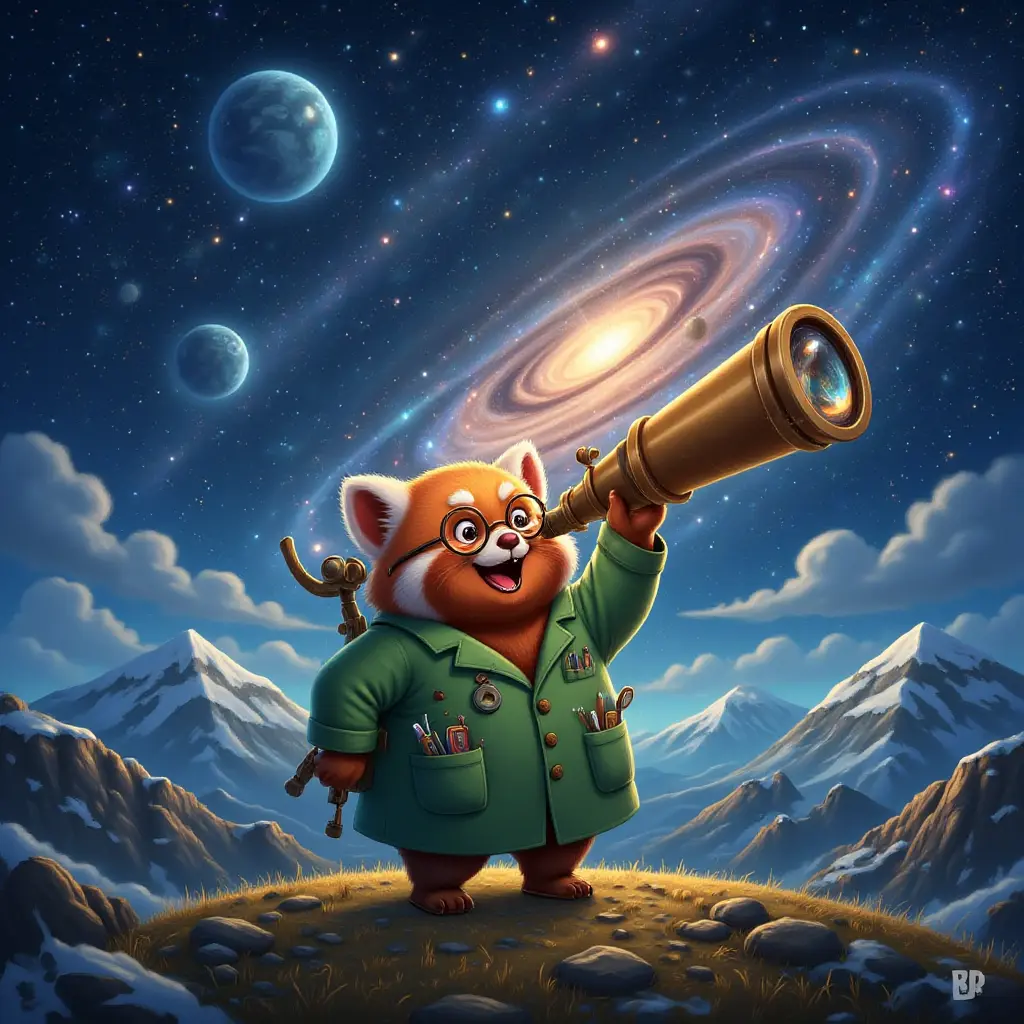
Professor Pip enthusiastically looking through a large brass telescope, set up on a grassy hill, with a clear, star-filled night sky and a vibrant nebula visible in the background.
Professor Pip and the Secrets of the Silver Screen
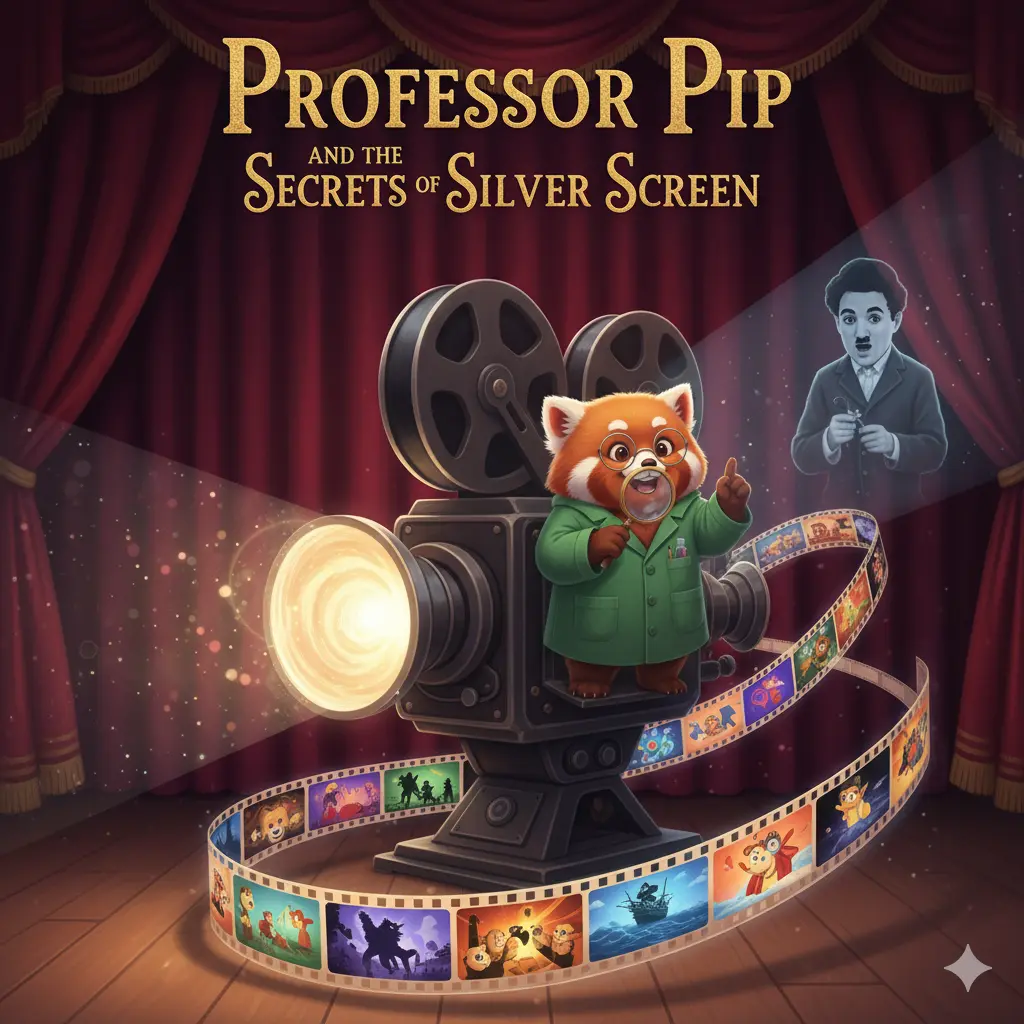
This children's book features engaging narratives and vibrant illustrations to cultivate imagination, foster creativity, and teach valuable lessons to young readers.
Professor Pip's Deep Sea Adventure: Discovering the Ocean's Wonders

Professor Pip peering out the circular window of a whimsical, mini-submarine, observing colorful coral and friendly deep-sea creatures.
Professor Pip's Icy Adventure: A Journey into the World of Freezing Water

Dive into the chilly world of freezing water with Professor Pip! Learn how liquid water turns into solid ice, discovering the science of molecules and temperature changes.
Professor Pip's Mammoth Miracle: An Arctic Adventure
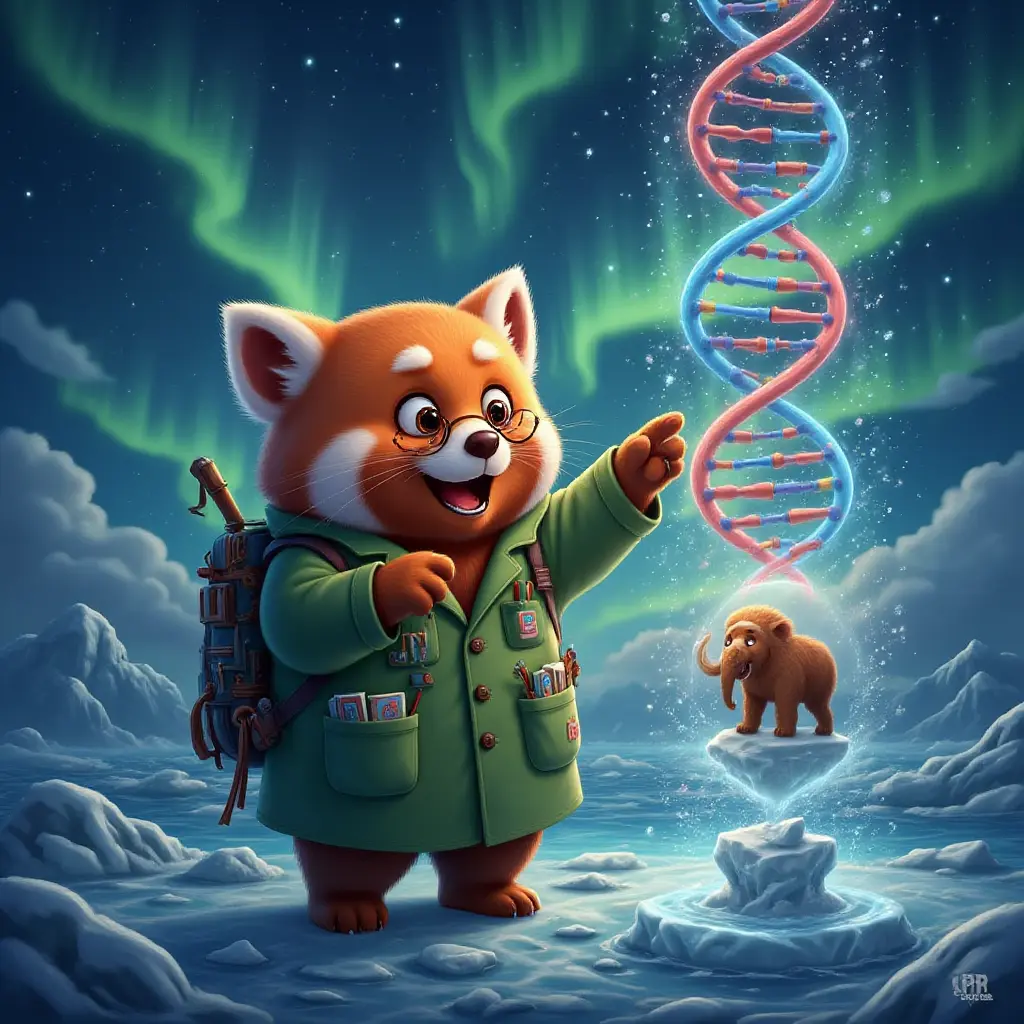
Professor Pip explains how to bring back extinct animals via cloning and trying to restore wolly mammoths to the arctic tundra.
Professor Pip's Awesome Autumn Colors
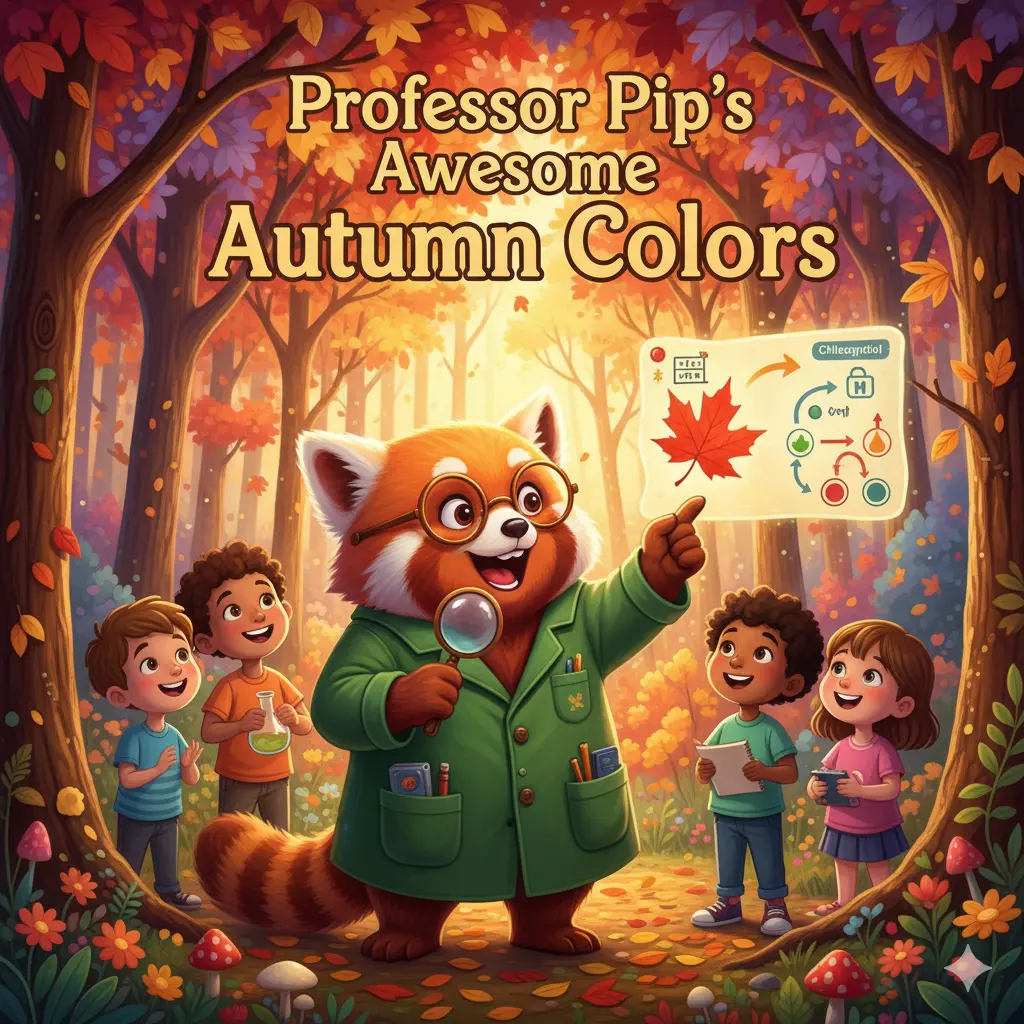
This children's book text is a fun, educational narrative that combines engaging characters and vivid illustrations, aiming to spark a child's imagination while promoting a love for reading and learning.
Stories & Discoveries
Read individual science stories and latest discoveries.
Ancient Sea Dragons Wore Invisible Diving Belts

Professor Pip stood by the riverbank with a big glass tank of water, patting his coat pockets. "Now where did I put — ah!" He pulled out two floppy balloons and a shiny brass weight the size of an acorn.Mia and Leo pr...
A Comet From Another Solar System Zipped Past — and It's Frozen Solid

Professor Pip's lab was cozy and warm, but he was rummaging through a big canvas satchel with a frown of concentration. "Aha!" he said, and pulled out a small glass jar caked in frost, with a wispy little cloud of vap...
A Tyrannosaurus Walked Right Here — Five Times

Professor Pip adjusted his slightly crooked spectacles and patted the bulging pockets of his green lab coat. "Ah! Just the thing!" he said, pulling out a long, coiled-up brass measuring tape and a small pot of soft mu...
James Webb Peeks Inside a Cosmic Treasure Chest of Baby Stars

Up on the hilltop, the sky was pinned all over with stars. Professor Pip fiddled with his little brass telescope, then patted his lab coat pockets and pulled out — of all things — a small wooden treasure chest.Beatrix...
A Giant Brazilian Dinosaur Discovered Beneath a Road

Professor Pip stood at the bottom of a very deep, very dusty pit, brushing gently at something enormous. His forest-green lab coat was smudged from hem to elbow."Oh my whiskers," he breathed. "Look at the size of this...
The Deep-Sea Fish That Walks Sideways and Backwards

Professor Pip crouched at the edge of a sunny tide pool and pulled a long brass magnifying glass from his coat pocket. His crooked spectacles slid down his snout as he peered into the water."Aha! There you are, little...
A Bus-Sized Telescope Blasts Off to Hunt Hidden Galaxies

The sun was slipping behind the pines when Professor Pip clambered up the hill, tail swishing, pockets clinking. His crooked spectacles slid halfway down his nose. "Oh, splendid!" he said, patting the picnic blanket w...
Whales Lift a Newborn to the Surface — Together

Professor Pip stood on the sun-warmed dock, waves lapping quietly below. He fished a tiny wooden whale calf out of one deep pocket and, with a mysterious little smile, held it above his head. "Today, my fellow scienti...
A 10-Year-Old Spots a 3,000-Year-Old Whale Skull on the Beach

Professor Pip crunched across the pebble-strewn beach, waves whooshing behind him. He patted his pockets — magnifying glass, brass compass, and a soft little brush no bigger than a toothbrush. "Ah!" he said, kneeling ...
Peeking at Penguins Through the Polar Dark — From Space!

Professor Pip adjusted his slightly crooked spectacles and stamped his fluffy little boots in the snow. "Brrrrr! Ah! Just what I need." He patted the bulging pockets of his forest-green lab coat and pulled out a small...
Saturn Grew a Ten-Sided Storm — And Hubble Just Caught It

Up on the hilltop observatory, Professor Pip's tail swished wildly. "Come, come, my fellow scientists — you must see this!" He patted his pockets: pencil, notebook, tape measure, and a shiny brass compass. All present...
A New Dinosaur Discovered on a Hippo-Filled Lake in Zimbabwe

The sun was orange and low over Lake Kariba. Professor Pip crouched on a rocky shore, humming to himself, tail twitching. From one pocket he pulled a small, soft brush. From another, a magnifying glass. From a THIRD p...
A dinosaur that kept its skin for 110 million years

Professor Pip knelt in a sunlit forest clearing, a tiny brush in one paw and a lumpy clay model of a dinosaur beside him. He'd painted it a soft reddish-brown, with rows of bumpy armor plates and long spikes coming of...
A fish that walks sideways — and moonwalks backward!

Professor Pip crouched by the riverbank, his fluffy tail swishing behind him, magnifying glass pressed to a shallow glass tank. Inside the tank, something extremely peculiar was happening: a fish was walking."Curiouse...
A brand-new eye in the sky sets off for the dark universe

Professor Pip patted his bulging green pockets and pulled out two crinkled cardboard tubes — one skinny like a drinking straw, the other fat like a paper-towel roll."Ah! Just the thing," he beamed, adjusting his crook...
The Fish That Walks Sideways — and Backwards!

Professor Pip's pockets were dripping. He had just come up from the riverbank carrying a great glass bowl of water — and inside the bowl, something orange scuttled sideways across the pebbles."Oh my whiskers!" he crie...
A Dinosaur the Size of a Chicken (Living Among Giants)

Professor Pip knelt on a patch of rusty-red sandstone and pulled a very tiny fossil brush from a very stuffed pocket. His forest-green lab coat was smudged with desert dust. His spectacles slid almost off his nose."Ah...
NASA Sends a Giant New Eye Into Space

Professor Pip adjusted his slightly crooked spectacles and patted his forest-green lab coat until something clinked. "Ah, precisely!" he said, pulling out a small brass telescope and a rolled-up star chart.The hilltop...
The bug with twenty-four legs (and why today's bugs have only six)

Professor Pip adjusted his slightly crooked spectacles and patted the bulging pockets of his forest-green lab coat. "Ah! Curiouser and curiouser," he murmured, sliding a small slab of gray rock onto the workbench.Mia ...
A tiny red dot in the sky turned out to be a 'black hole star'

Night had fallen on the hilltop. Professor Pip fumbled in his lab-coat pockets and pulled out a small brass telescope, a plaid blanket, and — after a moment of searching — a metal funnel and a jug of water."Look up, m...
Newsletter Archives
Browse and read our complete archive of science news and discoveries.
- September 10, 2026: Science for Kids — September 10: Giant footprints, an icy visitor, and dinosaur diving belts
- September 08, 2026: Professor Pip's Science Digest — September 8, 2026 Afternoon Edition
- September 08, 2026: Science for Kids — September 8, 2026: Sideways fish, ancient giants, and a cosmic treasure chest
- September 08, 2026: Science for Kids — September 8: Sideways fish, ancient giants, and a cosmic treasure chest
- September 06, 2026: Science for Kids — September 6: Rockets, Whale Families, and a Beach Fossil
- September 03, 2026: Science for Kids — September 3: Penguins from space, Saturn's ten-sided storm, and a riverside dinosaur
- September 01, 2026: Science for Kids — September 1: A telescope, a dinosaur mummy, and a moonwalking fish
- August 30, 2026: Science for Kids — August 30: Telescopes, walking fish, and a chicken-sized dinosaur
- August 27, 2026: Science for Kids — August 27: Extra legs, chatty narwhals, and a star that's really a black hole
- August 25, 2026: Science for Kids — August 25: Whispering flyers, armored dinosaurs, and gravity's magnifying glass
- August 23, 2026: Science for Kids — August 23: Black hole stars, dolphin schools, and giant Brazilian bones
- August 20, 2026: Science for Kids — August 20: Fastest stars, golden trees underwater, and a shark that glows
- August 18, 2026: Science for Kids — August 18, 2026: A Dinosaur Egg, a Cosmic Riddle, and Tiny Blue Sailors
- August 16, 2026: Science for Kids — August 16: Martian gems, dinosaur eggs, and water at the galaxy's heart
- August 13, 2026: Science for Kids — August 13: Cotton candy planets, an ancient croc, and Pacific mysteries
- August 11, 2026: Science for Kids — August 11: Cosmic dust, spider catapults, and fish who know your face
- August 09, 2026: Science for Kids — August 9: Deep-time treasures
- August 06, 2026: Science for Kids — August 6: Sun-storms, shattered moons, and Martian rust
- August 04, 2026: Science for Kids — August 4: Craters, cosmic third wheels, and a Zimbabwe surprise
- August 02, 2026: Science for Kids — August 2: Stars, seas, and ancient stones
- July 28, 2026: Science for Kids — July 28: Walking Sharks, Ancient Dinner Drama, and a Secret Pattern in Leaves
- July 26, 2026: Science for Kids — July 26: New worlds, new monkeys, and cameras that swim
- July 23, 2026: Science for Kids — July 23: Fiery moons, phantom squid, and desert cats
- July 21, 2026: Science for Kids — July 21: Sea gardens, raccoon locksmiths, and a very old Mars rock
- July 19, 2026: Science for Kids — July 19: Rainforest surprises, sky-and-sea robots, and a dinosaur face-bite
- July 16, 2026: Science for Kids — July 16: Three Great Hiders Finally Found
- July 14, 2026: Science for Kids — July 14: A cosmic sugar, a see-through fish, and one telling bone
- July 12, 2026: Science for Kids — July 12, 2026: One old bone tells a whole dinosaur
- July 09, 2026: Science for Kids — July 9: Deep-sea ghosts, cosmic crashes, and a hidden baby dinosaur
- July 07, 2026: Science for Kids — July 7, 2026: Dinosaurs in Drawers, Frankenstein Worms & Happy Bees
- July 05, 2026: Science for Kids — July 5, 2026: Spider Slingshots, Cotton-Candy Planets & a Dinosaur in a Drawer
- July 02, 2026: Science for Kids — July 2, 2026: Deep Time, Deep Space, and Sharks That Walk
- June 30, 2026: Science for Kids — June 30, 2026: A frozen dinosaur, a spring-loaded spider, and a new neighbor in space
- June 28, 2026: Science for Kids — June 28, 2026: Fluffy Planets, Gliding Dinosaurs & a Rescue in Space
- June 25, 2026: Science for Kids — June 25, 2026: Four Wings, Fluffy Planets, and an Ancient Underwater Tree
- June 23, 2026: Science for Kids — June 23, 2026: Ancient Comets, Spring-Trap Spiders, and Zombie Sea Cucumbers
- June 21, 2026: Science for Kids — June 21, 2026: Wobbly Asteroids, Cartoon Dinosaurs, and the Pop-Out-Jaw Shark
- June 18, 2026: Science for Kids — June 18, 2026: Wobbling asteroids, mushroom-disguised spiders, and a 66-year-old fossil mystery
- June 16, 2026: Science for Kids — June 16, 2026: A Daytime Venus, a Deep-Sea Ghost, and Bee GPS
- June 14, 2026: Science for Kids — June 14, 2026: Names, Footprints & a Hidden Moon
- June 11, 2026: Science for Kids — June 11, 2026: Hidden Discoveries Hiding in Plain Sight
- June 09, 2026: Science for Kids — June 9, 2026: Tiny Brains, Big Skies, City Songbirds
- June 07, 2026: Science for Kids — June 7, 2026: Broadcast-ready preview (with personalization + unsubscribe footer)
- June 05, 2026: Science for Kids — June 5, 2026: A Sleek Jet, A Clever Octopus, A Homing Pigeon
- June 04, 2026: Science for Kids — June 4, 2026: Hidden Wonders
- June 02, 2026: Daily Science for Kids — June 2, 2026: Clicks, Booms, and 400-Year-Old Sharks
- June 01, 2026: Science for Kids — June 1, 2026: Dice, Plant Whispers & a Planet Parade
- May 28, 2026: Daily Science for Kids — May 28, 2026: Big secrets, small clues
- May 26, 2026: Science for Kids — May 26: From the Deep Sea to the Moon